Chain hoists are essential for stage productions, industrial lifting, and material handling. When issues occur, repairs can be costly and downtime can disrupt your entire project. Even the most reliable chain hoists can develop problems if they are not handled, stored, or maintained correctly.
Understanding the common causes of hoist wear and damage can help reduce the risk of unexpected repairs and support more reliable operation over time. Proper handling, storage, lubrication, and the right accessories all play a role in protecting your equipment and helping to limit unnecessary costs. This guide outlines simple care steps that can help you get more from your hoist investment.
Common Causes of Hoist Problems

1. Exposure to Weather and Outdoor Conditions
Hoists used outdoors or in industrial settings are vulnerable to rain, dust, moisture and debris. If water or dirt enters the motor housing, chain system, or electrical components, it may contribute to corrosion, performance issues, or increased wear over time.
2. Improper Handling
Rough or incorrect handling is a common contributor to chain hoist damage. Lifting hoists by power or control cables, dragging them or moving them carelessly can place unnecessary strain on internal components can damage internal components and shorten the working life of the equipment.
3. Storage During Transport
Chain hoists are often moved between venues, warehouses, and job sites, which makes proper protection important. Without suitable storage during transport, hoists may be exposed to knocks, scratches, dents, or impact damage. Over time, this can affect performance and increase the likelihood of inspection findings or repair needs.
4. Neglecting Chain Lubrication and Maintenance
Dry or dirty chains can lead to jerky operation, increased friction and premature wear. Over time, this can put extra stress on the motor and other moving components, potentially leading to unexpected failures.
Care Tips to Help Extend the Life of Your Hoist
While no maintenance routine can guarantee a hoist will never need repairs, there are practical steps you can take to help extend its working life and reduce the risk of costly downtime. From proper handling and storage to regular lubrication and protective accessories, these solutions can all support more reliable performance over time.
Protect Your Hoist from Weather

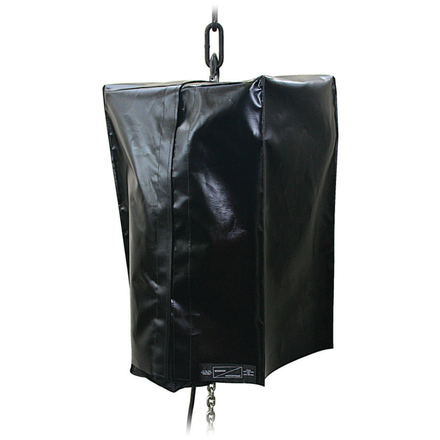
If your hoist is used outdoors, in dusty environments or during multi-day events, protective covers are a simple way to reduce exposure between uses. Weather Covers help to shield the motor and chain from rain, moisture, dust and debris.
Taking the time to protect your hoist with a weather cover can help to limit avoidable wear and damage from weather exposure.

Proper Handling and Transport
Many avoidable hoist issues occur during handling and transport. Lifting, carrying, or moving a hoist incorrectly can place unnecessary strain on cables, housings, and internal components, which may contribute to repair needs over time.
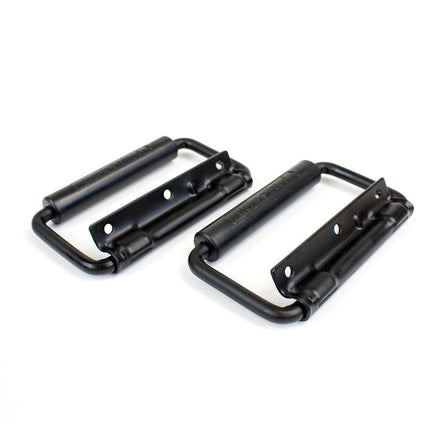
Hoists should never be lifted by power or control cables. Using attachable handles allows for safer and more ergonomic transport while reducing wear and tear. For hoists that need to move along beams, an electric hoist trolley can support smoother, more controlled movement and help reduce strain on the hoist and supporting structure.
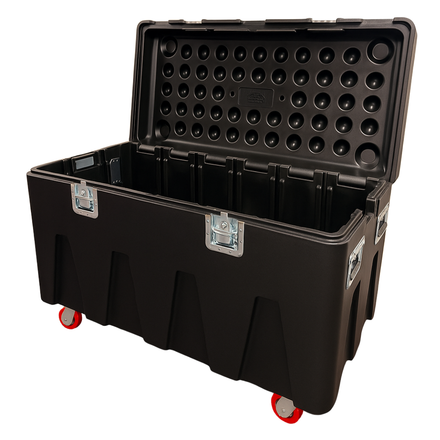
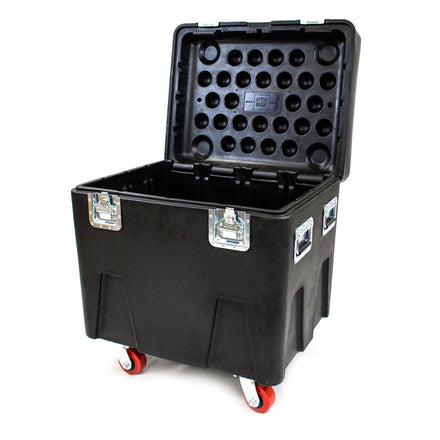
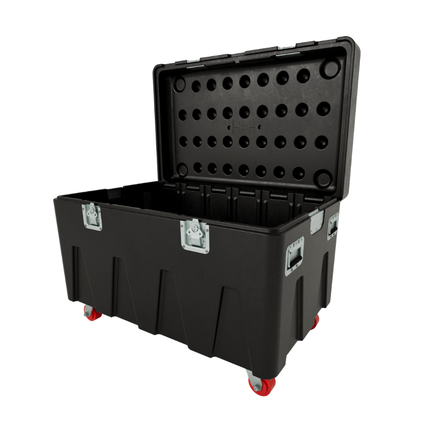
When transporting hoists between sites, secure storage is also important. Road Cases add an extra layer of protection during transit and help to prevent scratches, dents, and internal damage while keeping chains and components organised.
By combining careful handling, suitable accessories, and secure storage, you can help keep your hoists in better condition and reduce the risk of avoidable repair needs.


Chain Lubrication and Maintenance
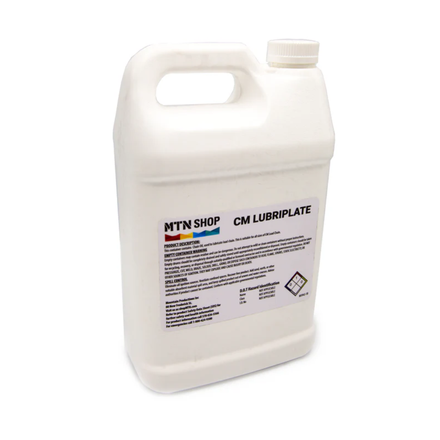
Keeping your hoist chain properly lubricated is an important part of reducing wear and supporting reliable operation. Dry or dirty chains can cause jerky operation, increased friction, and premature wear on components.
Use a suitable chain lubricant according to the manufacturer’s guidelines. Applying lubricant correctly helps prevent corrosion, reduces noise during operation, and keeps the chain running smoothly. For electric chain hoists, following a routine service schedule can also help identify issues early and reduce the risk of unexpected downtime.
Routine inspections and maintenance are also important. Check the chain for any signs of wear, ensure the motor is clean and free of debris, and confirm that all controls operate correctly. Performing these simple steps can help prevent chain hoist repair and maintain reliable performance.

Keep Your Hoist Serviced Annually
Good handling, storage, lubrication, and protective accessories can help reduce wear, but they do not replace proper hoist inspection and servicing. Regardless of how often they’re used, chain hoists should be serviced annually to check key components, identify early signs of wear, and make sure the equipment remains safe and reliable for use.
Annual servicing is especially important for hoists used in stage productions, industrial lifting, touring, rental stock, and busy work environments.
Pre-Inspection Checklist
Before your annual inspection, a few simple checks can help you prepare your hoist and identify visible issues early. While this does not replace a professional inspection, a pre-inspection routine can help keep your equipment better organised and ready for review.