Safety Harnesses
We sell safety harnesses in multiple sizes, including XXL options, for fall arrest, fall restraint, work positioning, rescue and more. Shop our professional and affordable fall protection PPE now.
When do you need to wear a safety harness?
OSHA states that fall protection must be provided at elevations of 4ft (1.22m) in general industry workplaces and 6ft (1.83m) in construction. With different numbers of attachment points, our range covers many uses across recreational, entertainment and industrial work. The three main types are:
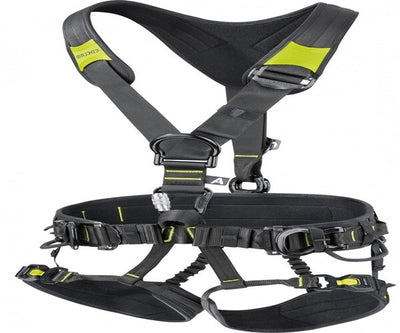
Fall arrest harness: In a personal fall arrest system, this body device arrests a user in a fall from a walking or working surface, used together with an anchorage and a connector such as a double lanyard with a shock absorber, before they hit the ground. A fall arrest harness distributes the fall arrest forces across at least the thighs, pelvis, waist, chest and shoulders. The dorsal D-ring is the primary fall arrest attachment point.
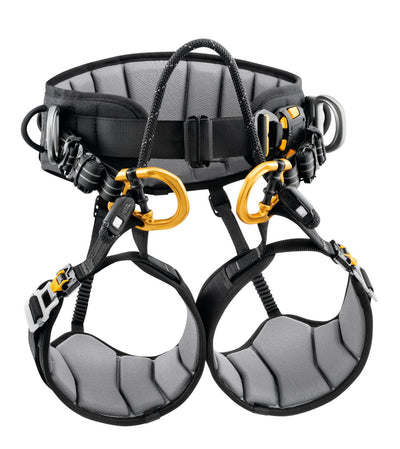
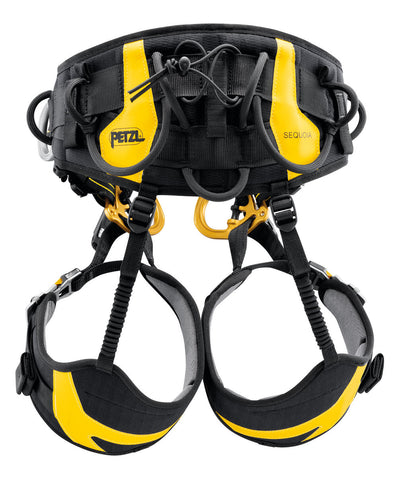
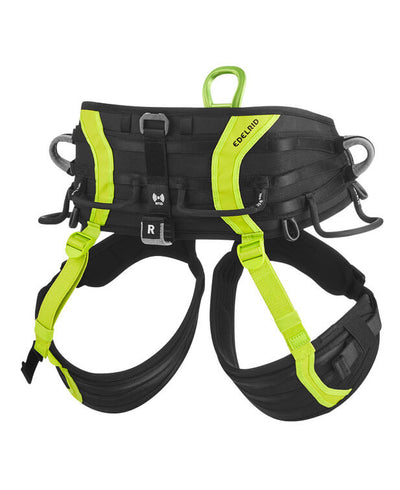
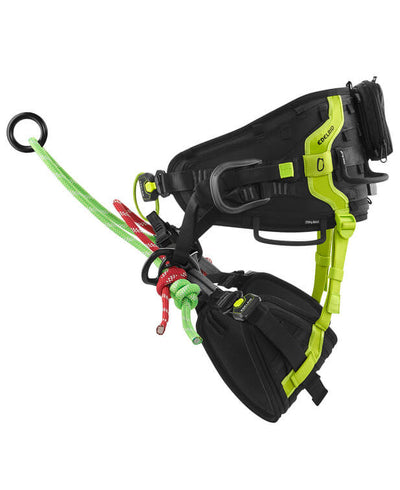
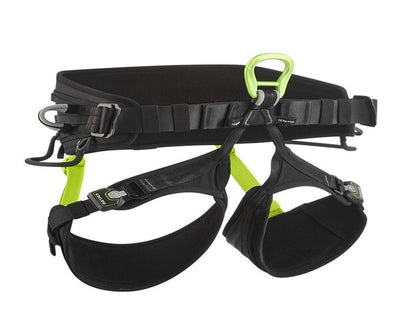
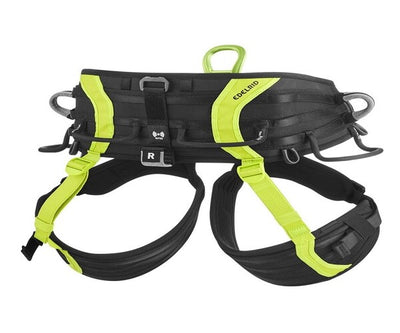
Work positioning harness: In a work positioning system, a positioning lanyard connects the side D-rings of a harness to an anchor, holding the user in place so they can perform delicate tasks with both hands free.
Fall restraint harness: In a fall restraint system, the worker is restrained from reaching a fall hazard. The harness is connected with a fall restraint lanyard that prevents the worker from reaching the leading edge. A dorsal or sternal D-ring can be used for lanyard attachment.
How long does a safety harness last?
The often quoted figure is 5 years, based on ANSI/ASSE A10.32 before its 2012 revision. Although this information was removed after the revision, the industry still follows it as a general rule. The actual lifespan depends heavily on manufacture, maintenance and care. A good rule of thumb is to inspect your safety harness properly and regularly. Check out our complete guide for more information.
How to use your safety harness and lanyard
- Put on the harness by slipping it over your shoulders and fastening the strap buckles, making sure there is no slack.
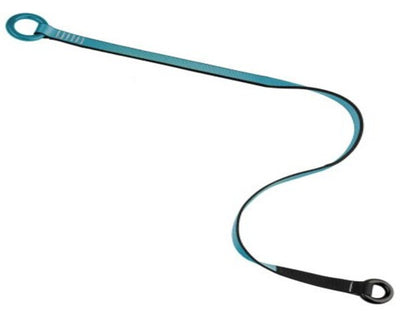
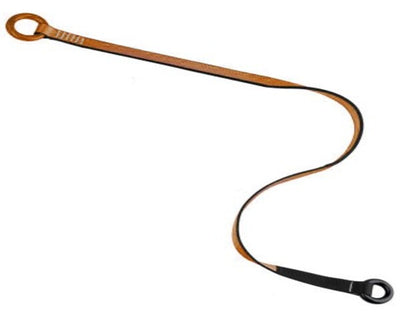
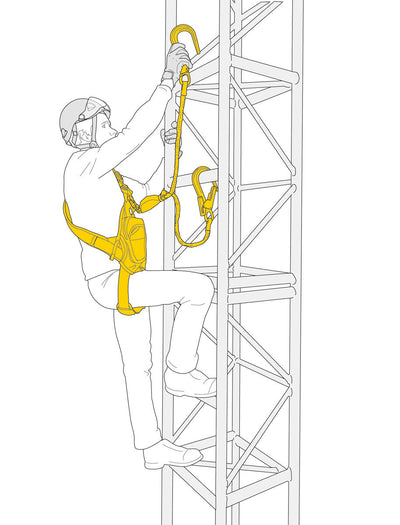
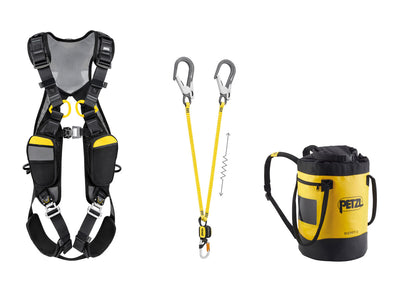
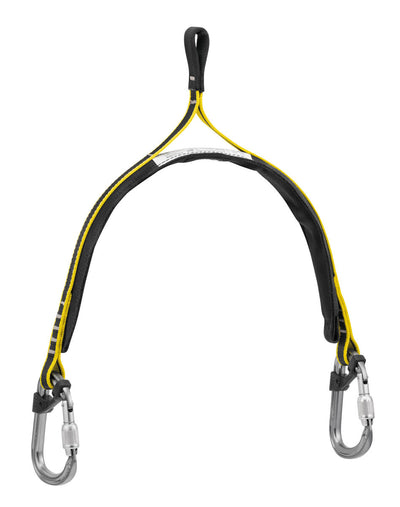
- Connect a suitable safety lanyard to your harness. For fall arrest, a full body safety harness with a double lanyard and shock absorber is the right choice.
- Make sure the lanyard is secured to the correct attachment points (D-rings) on the harness and to a certified anchor before starting your work at height task.
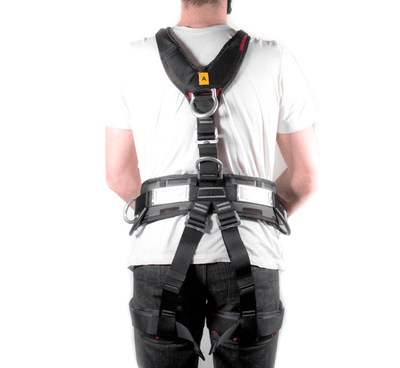
Each attachment point has its own function. For example, the rear (dorsal) D-ring is the primary fall arrest point, while the side D-rings are used for work positioning.

93 products
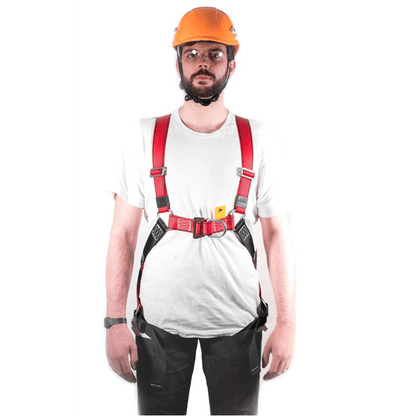
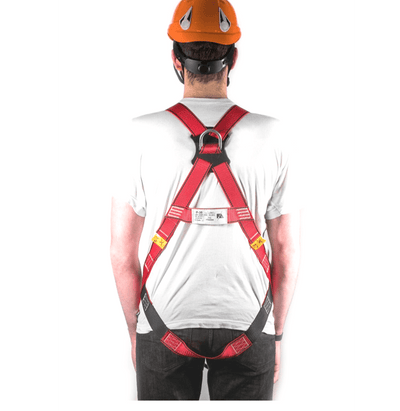


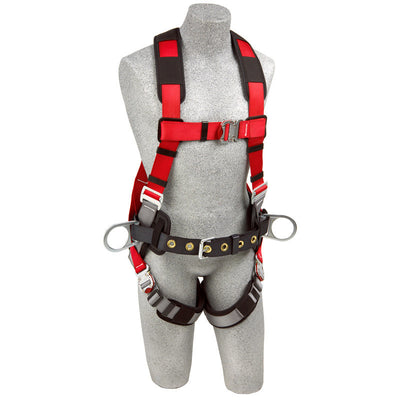
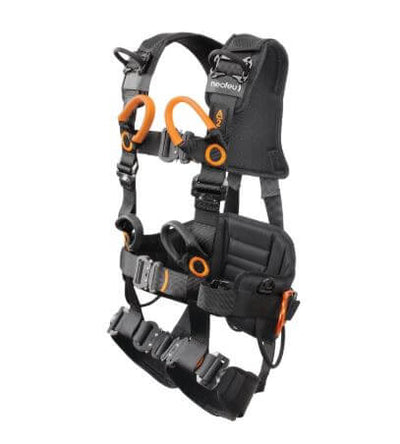
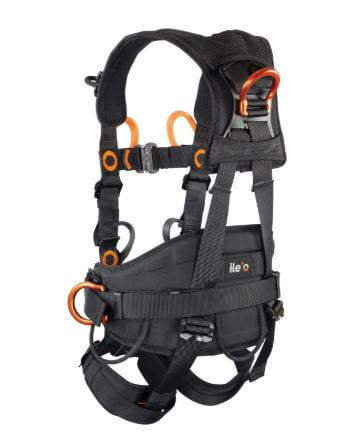
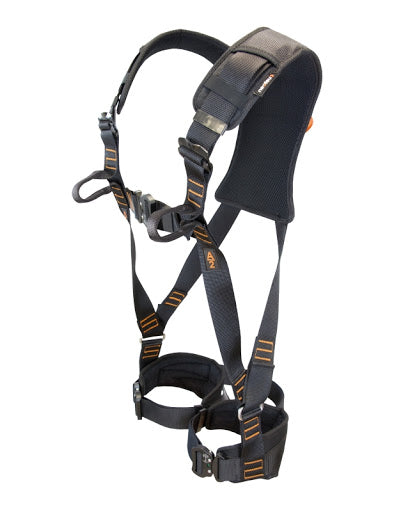
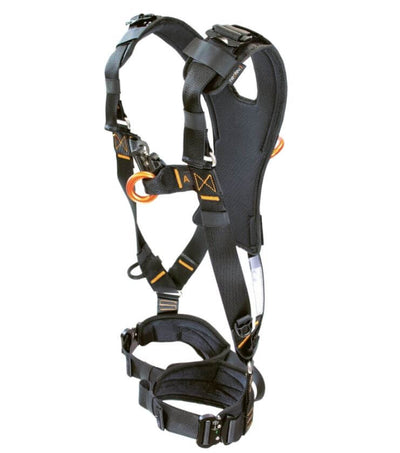
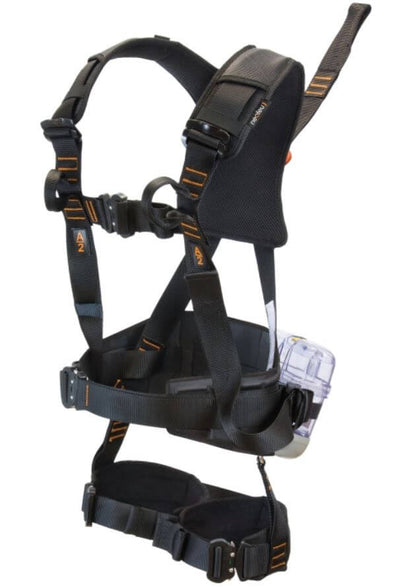
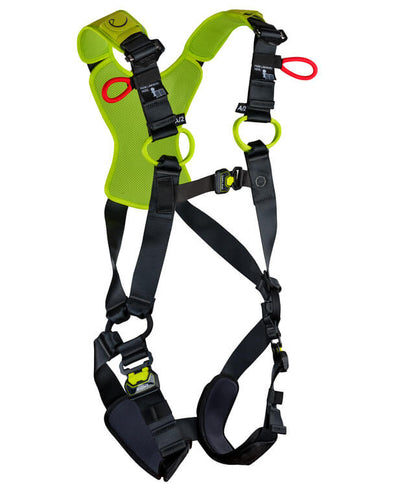
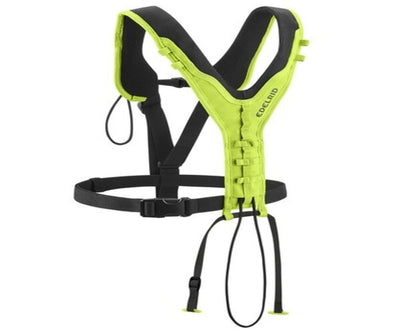
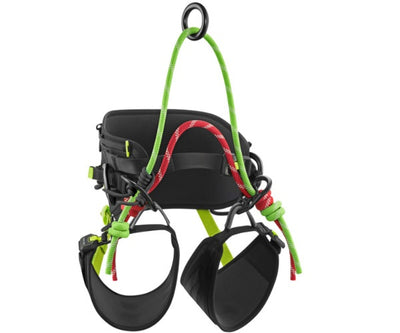
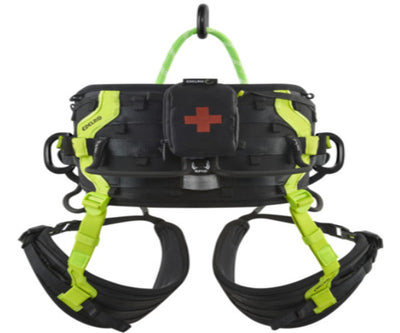


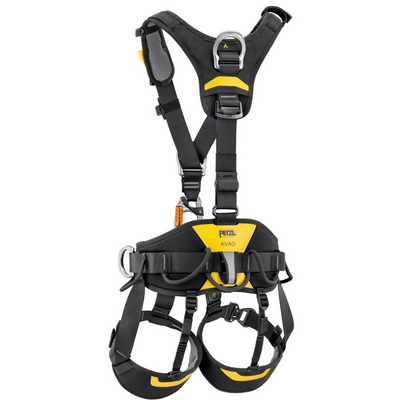
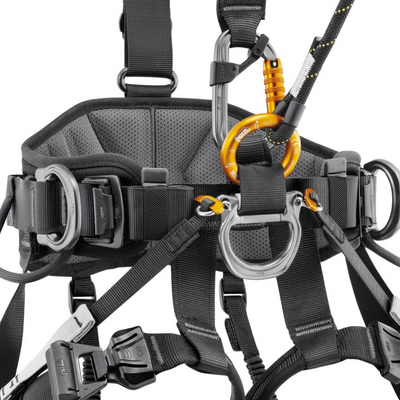
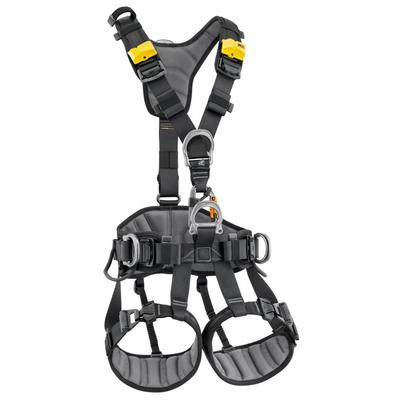


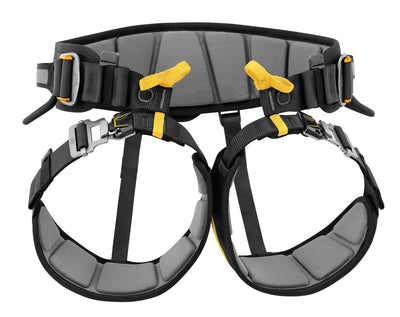
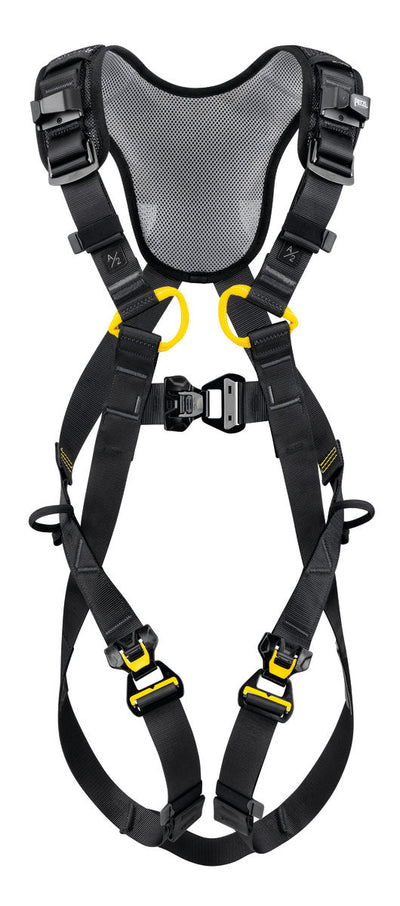
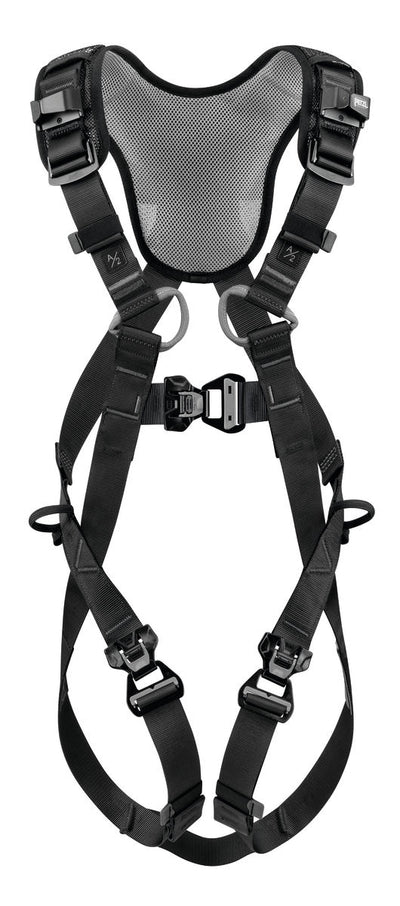
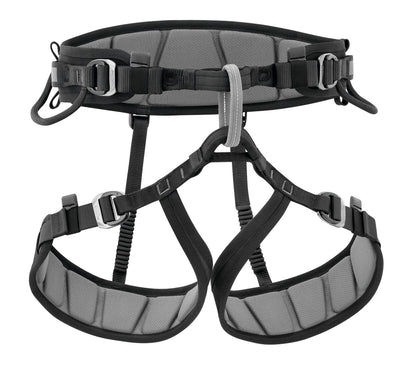
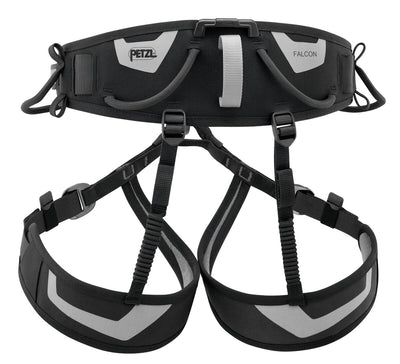

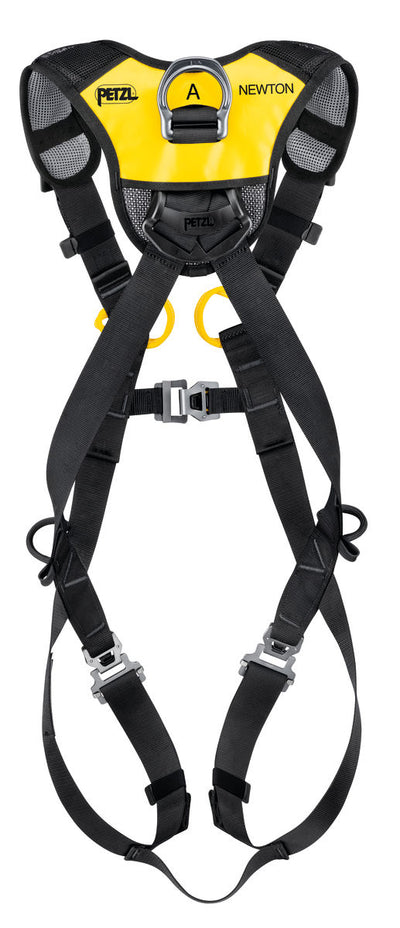
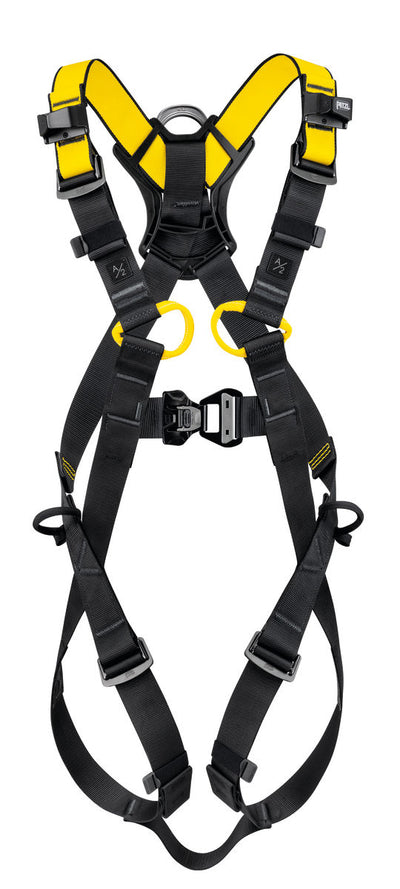
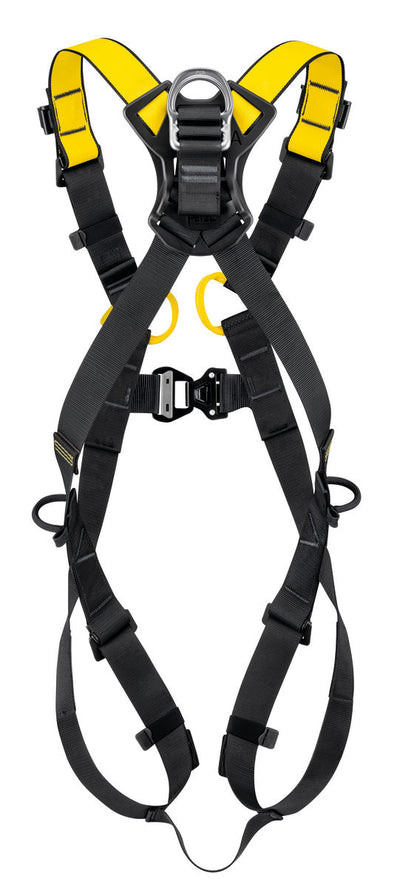
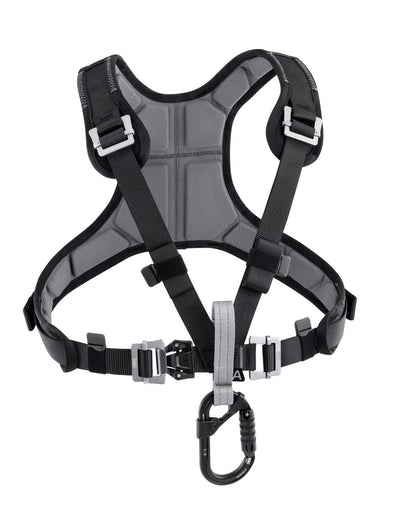
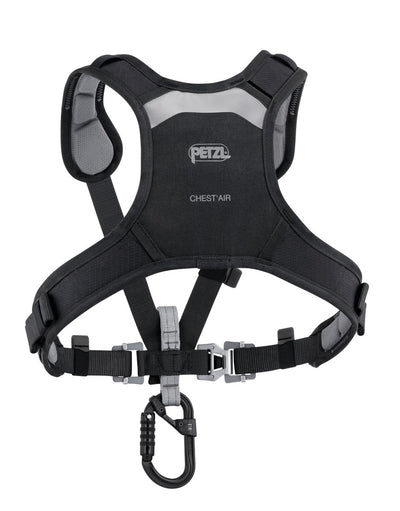
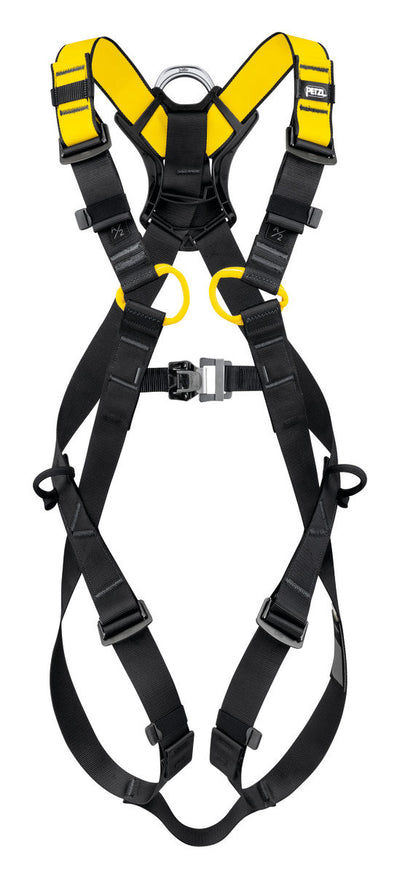
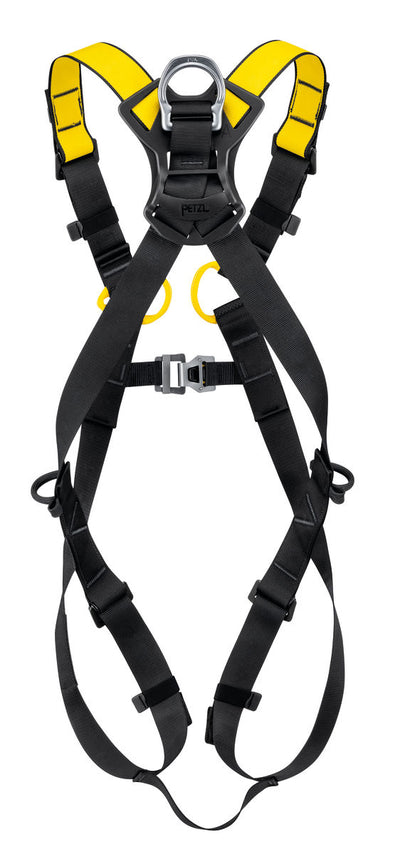
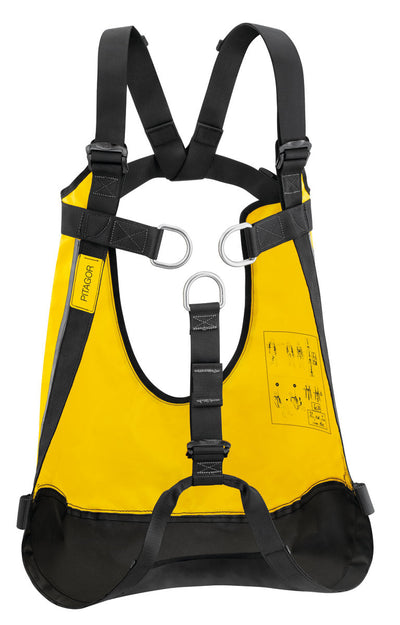

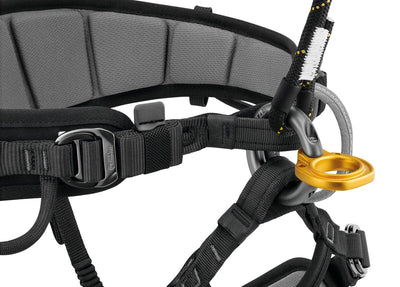
Parts of a Safety Harness
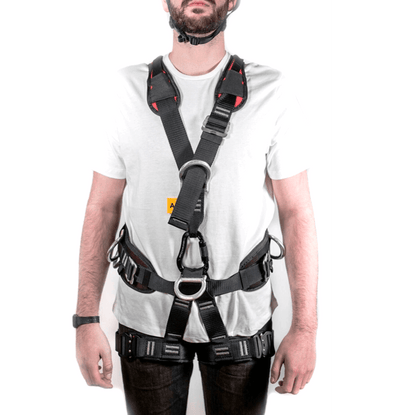
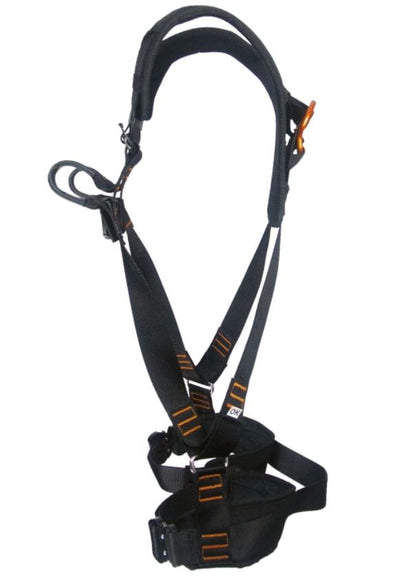
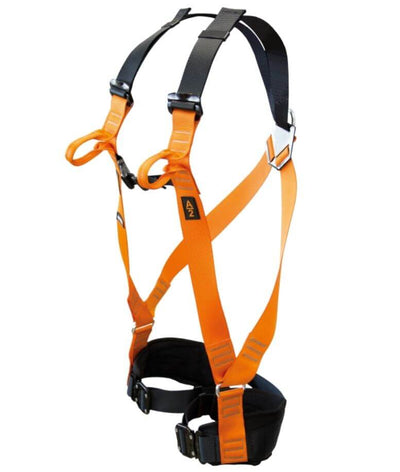
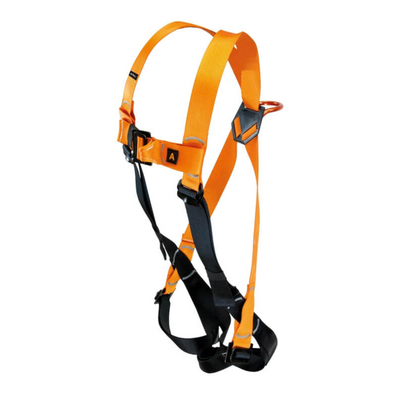
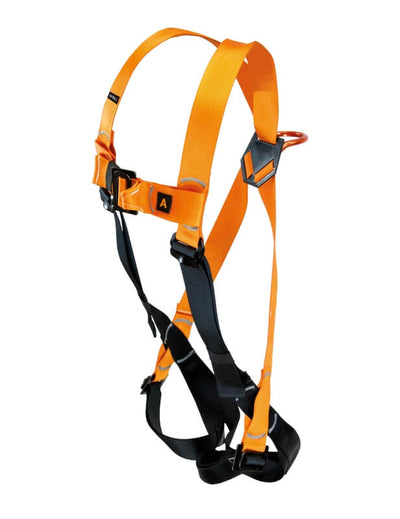
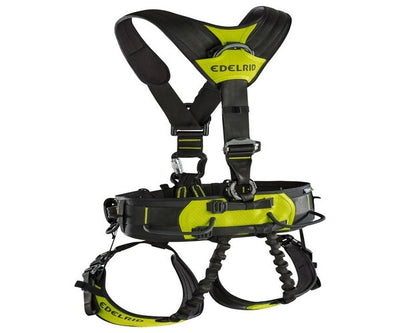
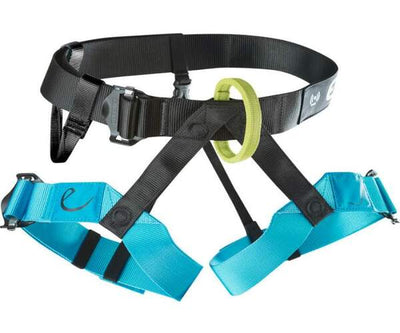
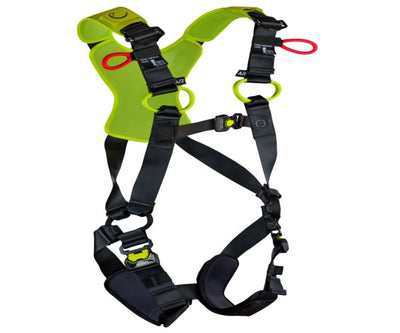
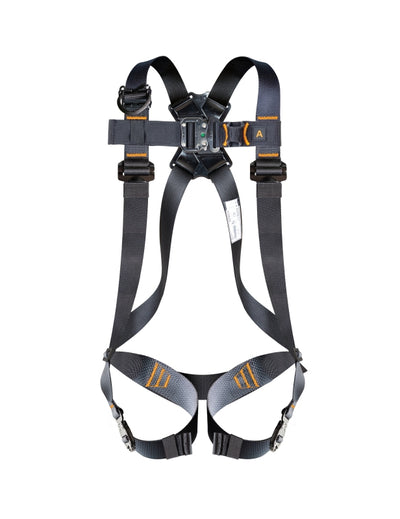
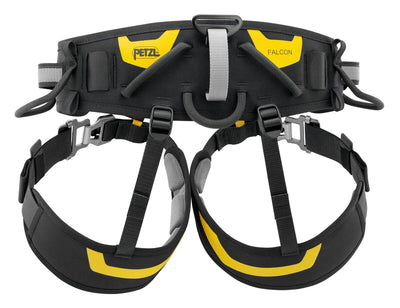
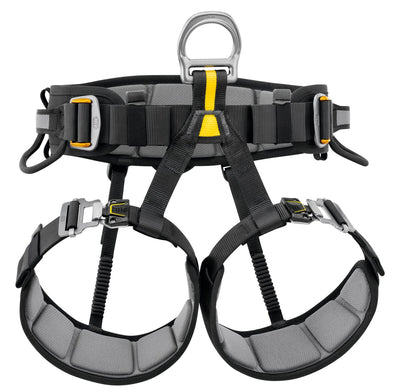
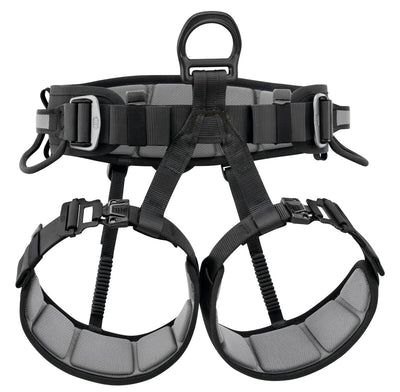
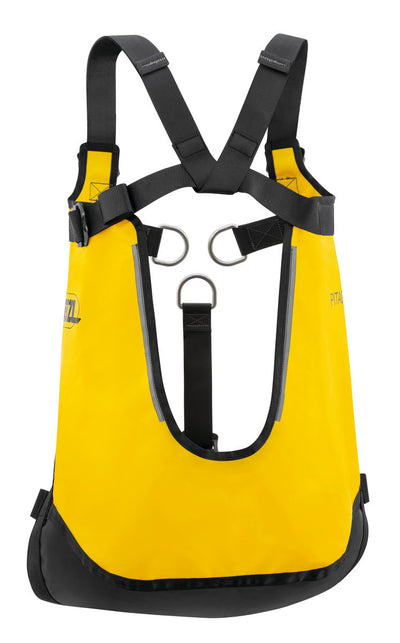
A full body safety harness consists of several key components: the dorsal D-ring (primary fall arrest attachment point), sternal D-ring (for rescue and fall arrest), side D-rings (work positioning), shoulder straps, chest strap, sub-pelvic strap and leg loops. Understanding each part ensures correct use and inspection.
Safety harnesses for fall arrest, fall restraint and work positioning. EN 361 certified harnesses from Petzl, Yale, Checkmate and FA2 Safety. EU delivery.