85 products



















When do you need to wear a safety harness
OSHA requires fall protection at elevations of 4ft (1.22m) in general industry workplaces and 6ft (1.83m) in construction. Our range covers recreational, entertainment and industrial use, with harnesses built around three main functions:
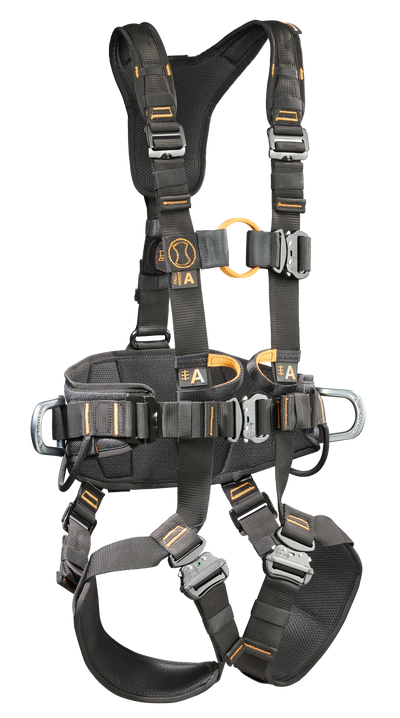
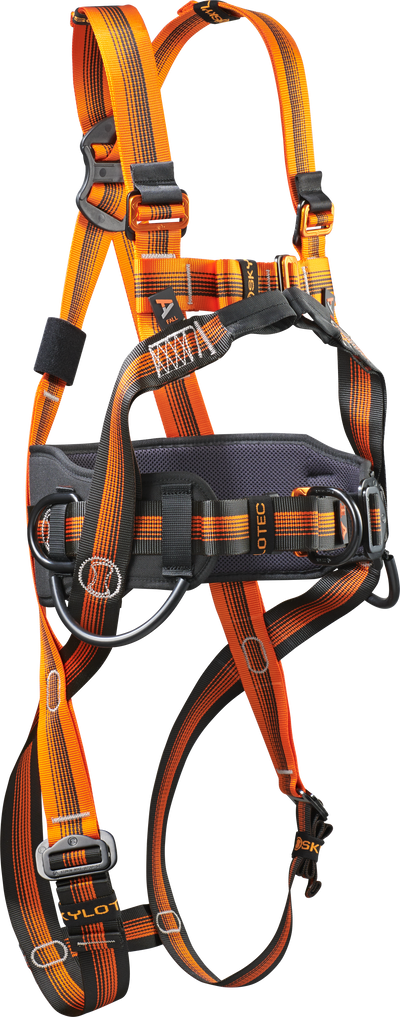
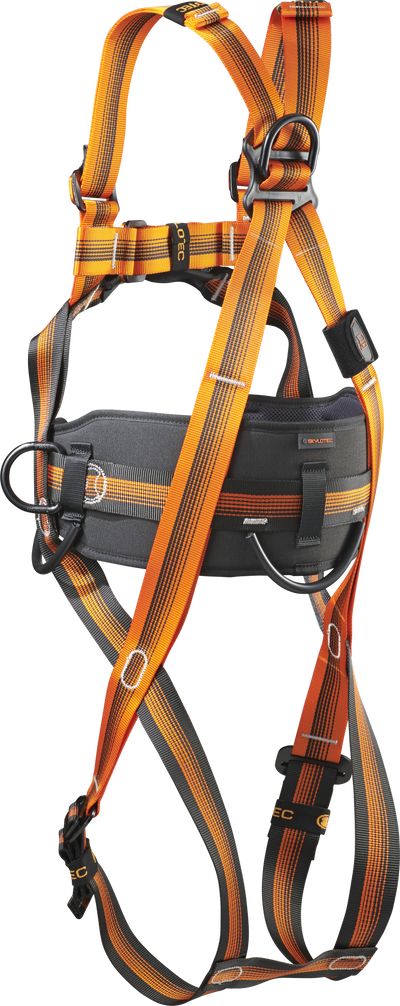
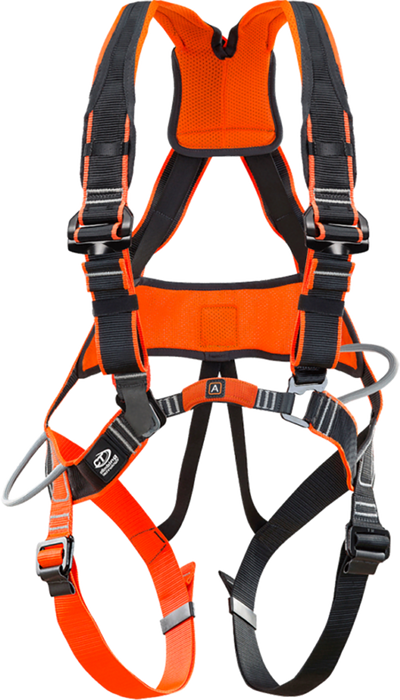
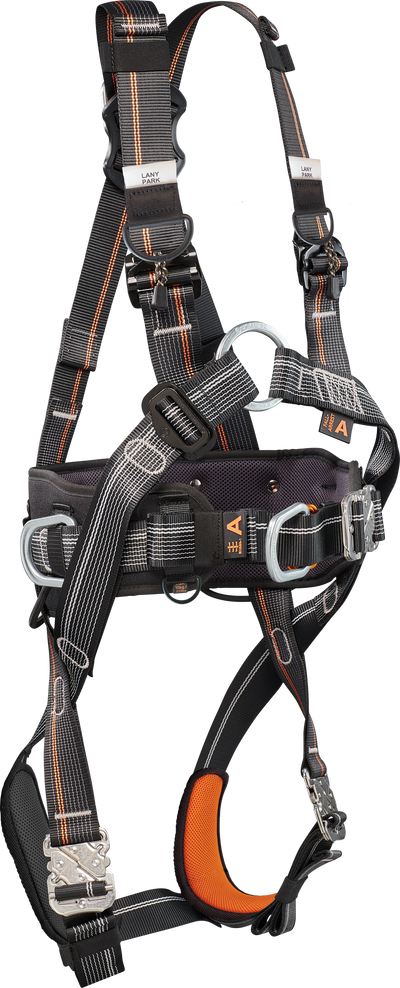
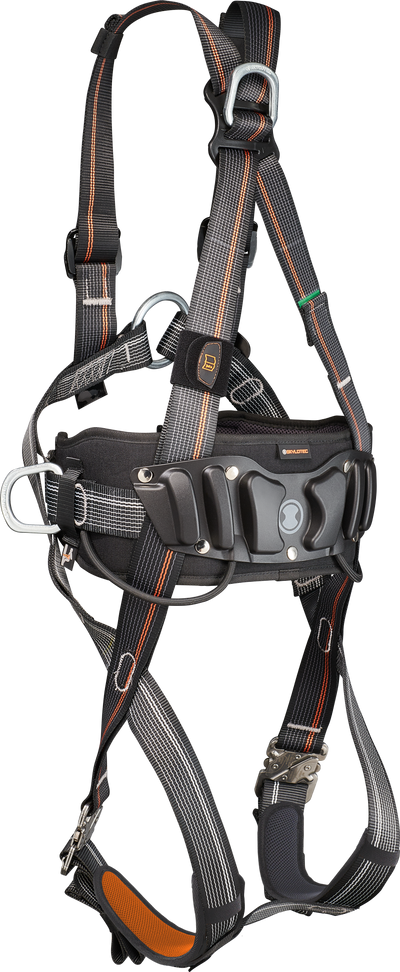
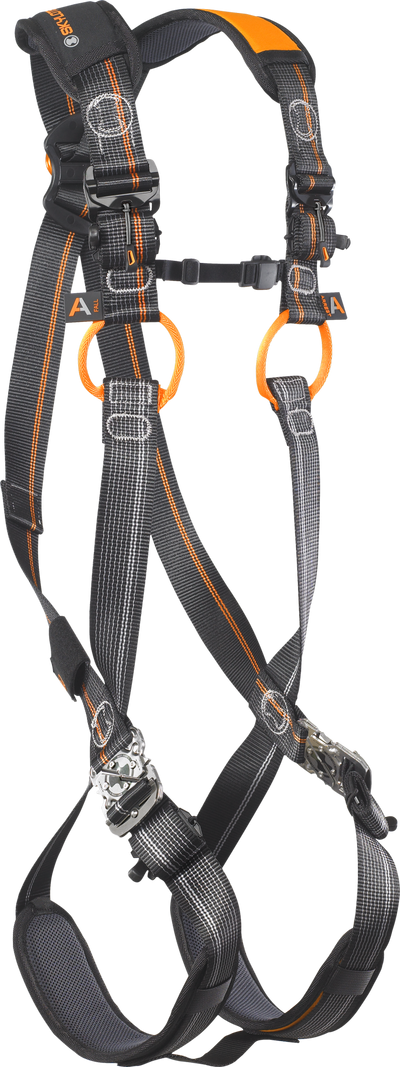
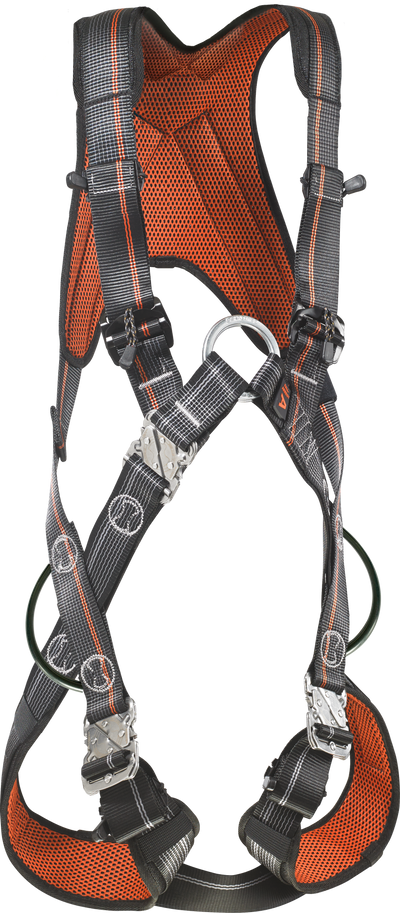
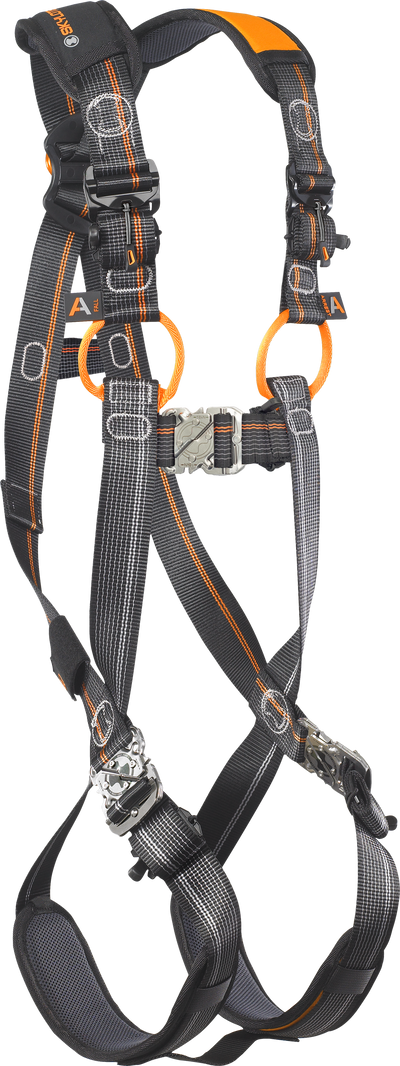
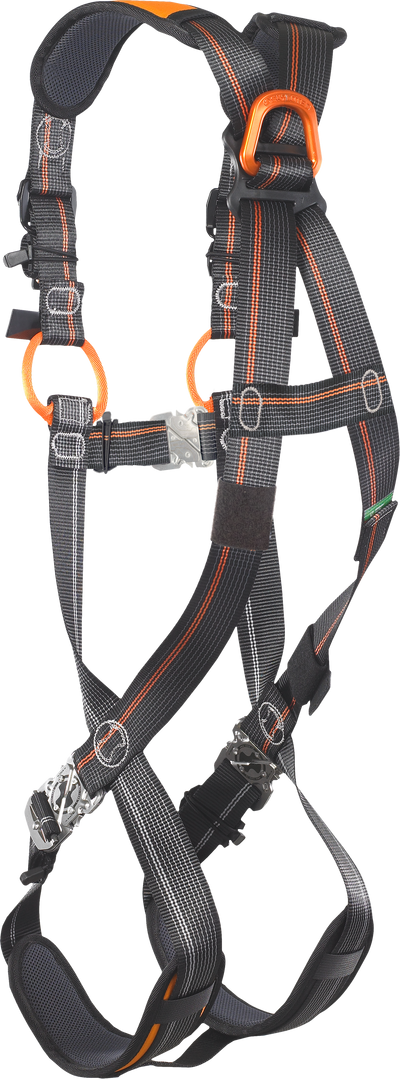
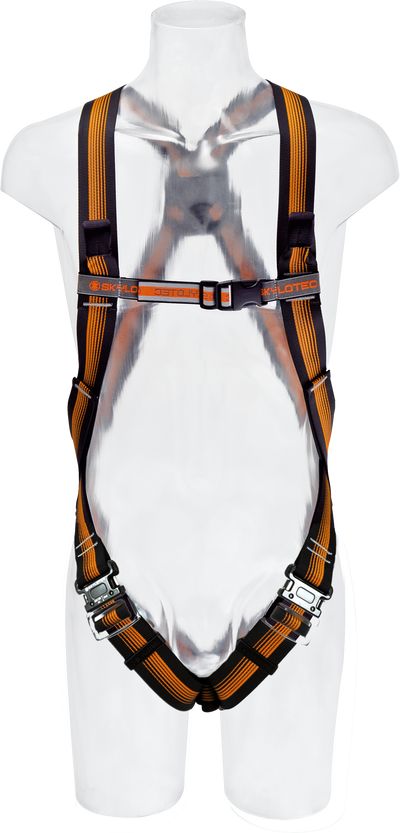
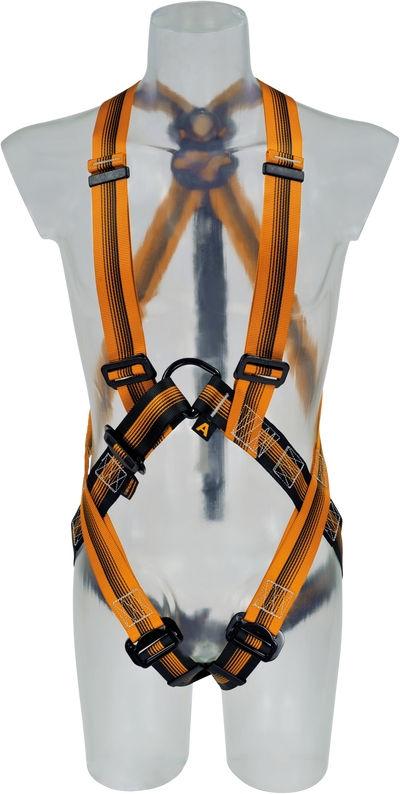
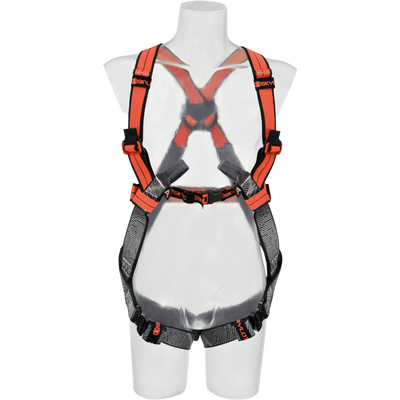
Fall arrest harness: in a personal fall arrest system, this body device arrests a user in a fall from a walking or working surface, used together with an anchorage and a connector such as a double lanyard with a shock absorber. A fall arrest harness distributes the fall arrest forces across the thighs, pelvis, waist, chest and shoulders, with the dorsal D-ring as the primary attachment point.
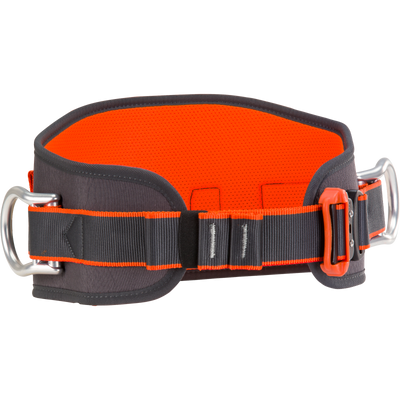
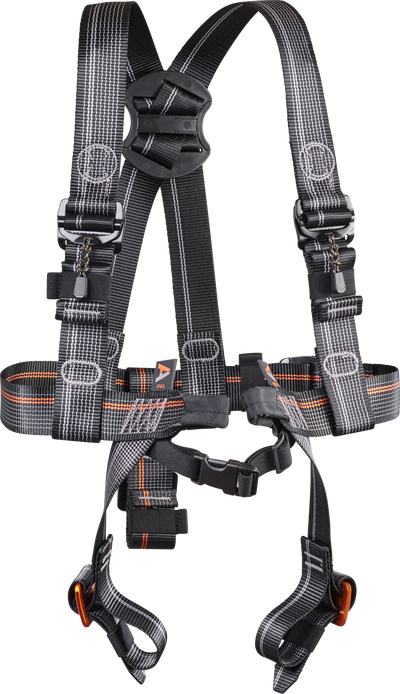
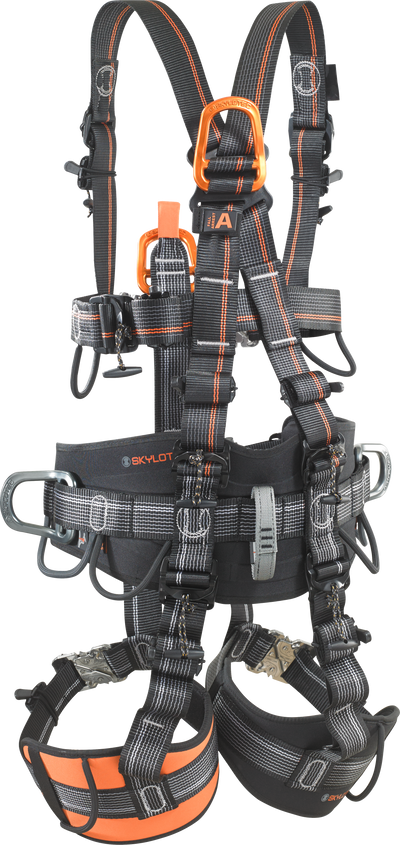
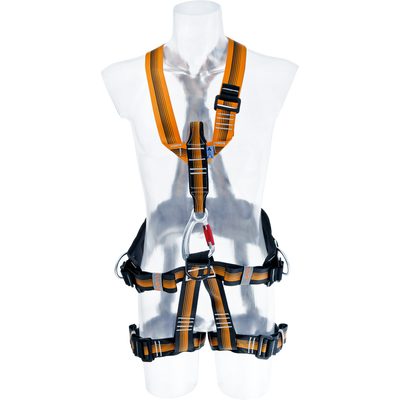
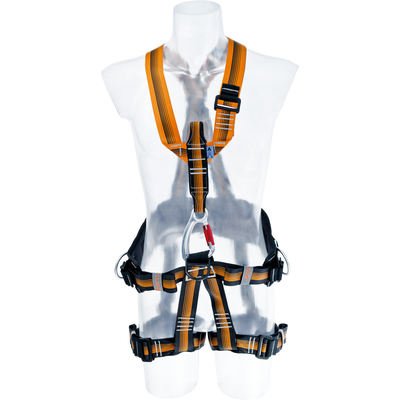
Work positioning harness: a positioning lanyard connects the side D-rings of a harness to an anchor, holding the user in place so they can perform tasks with both hands free.
Fall restraint harness: the worker is restrained from reaching a fall hazard at all, using a fall restraint lanyard that prevents them reaching the leading edge. A dorsal or sternal D-ring is used for lanyard attachment.
Parts of a safety harness
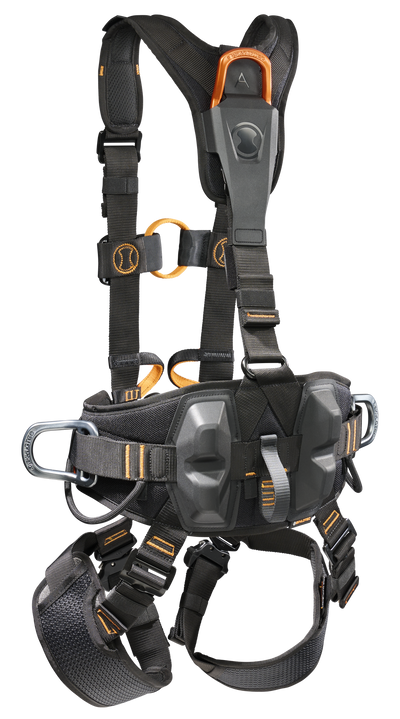
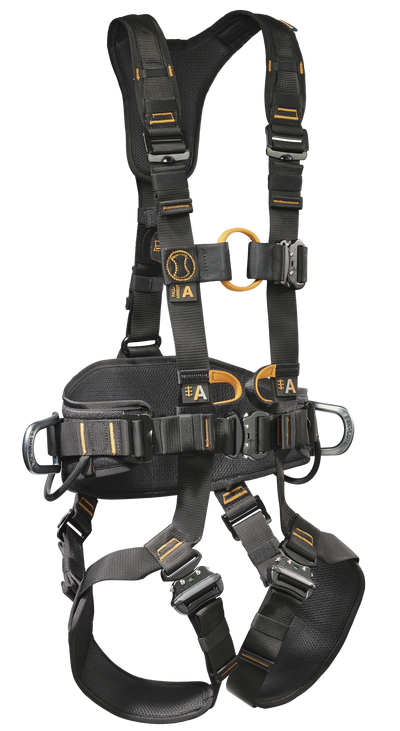
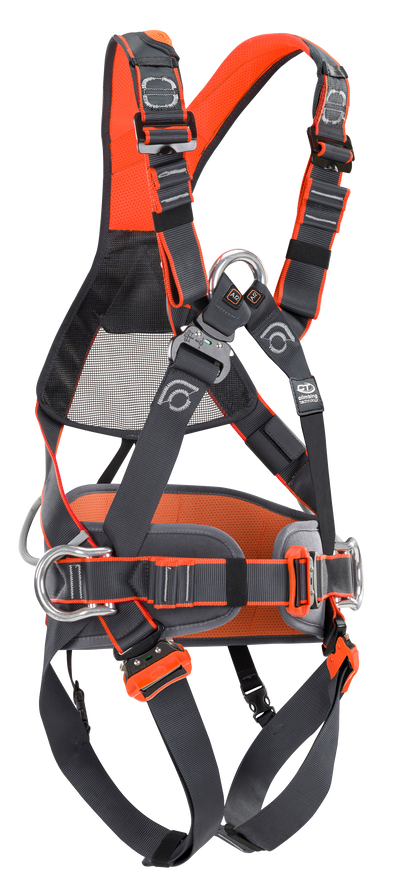
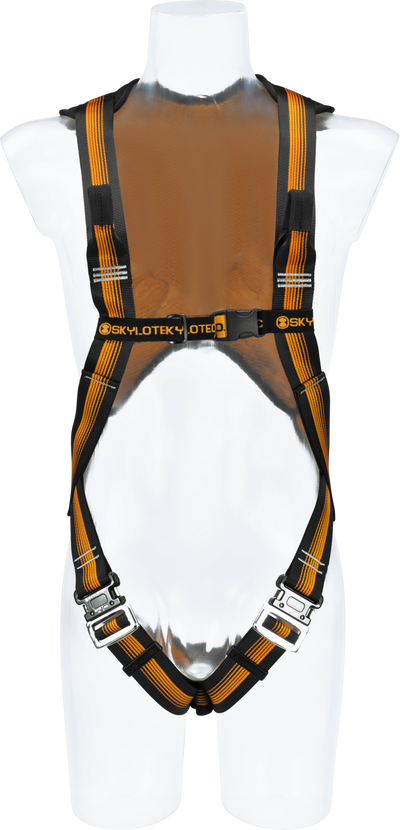
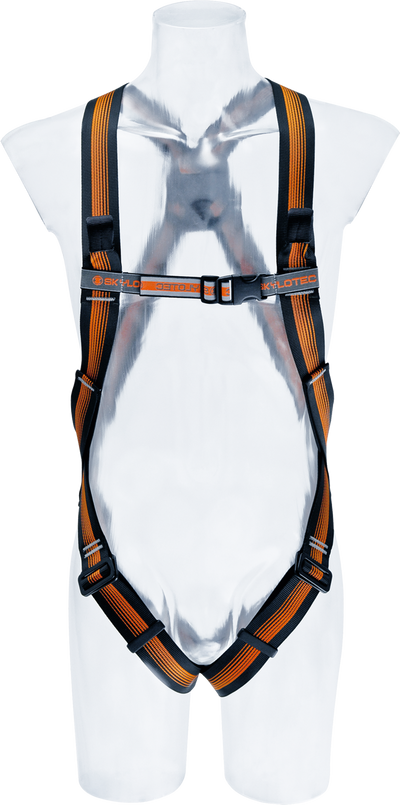
A full body harness is built from several key components: the dorsal D-ring (primary fall arrest attachment point), sternal D-ring (rescue and fall arrest), side D-rings (work positioning), shoulder straps, chest strap, sub-pelvic strap and leg loops. Knowing each part helps with correct use and inspection, and matters when comparing models like the Petzl AVAO BOD FAST, which adds a sternal attachment for rope access work, against a simpler dorsal-only model.
How long does a safety harness last
The often quoted figure is 5 years, based on ANSI/ASSE A10.32 before its 2012 revision. Although this specific figure was removed after the revision, the industry still follows it as a general rule. Actual lifespan depends heavily on manufacture, use and care, so inspect your harness regularly rather than relying on age alone. See our complete harness and lanyard guide for a full inspection checklist.
How to use your safety harness and lanyard
- Put on the harness by slipping it over your shoulders and fastening the strap buckles, making sure there is no slack.
- Connect a suitable safety lanyard to your harness. For fall arrest, a full body harness with a double lanyard and shock absorber is the right choice.
- Secure the lanyard to the correct attachment point (D-ring) on the harness and to a certified anchor before starting work at height.
Each attachment point has its own function: the rear (dorsal) D-ring is the primary fall arrest point, while the side D-rings are used for work positioning.
Complete your fall protection kit
A harness works as part of a system, not on its own. Pair it with a safety lanyard and carabiners and connectors, and add a safety helmet and rope grabs or ascenders for rope access tasks. Our rescue equipment range covers evacuation kits for teams working at height.
Why buy your harness from MTN Shop
All harnesses sold here are genuine stock from Petzl, Edelrid, Neofeu, Protecta and SKYLOTEC, certified to EN 361 and fully traceable. We ship fast across the EU with straightforward returns on unused stock. For bulk orders, team fit-outs or sourcing a specific size not currently listed, request a quote and our team will confirm stock and lead time directly.