Carros
Move and position loads with ease using trolleys from MTN Shop. A trolley runs along a beam or tube to traverse a hoist and its load horizontally, making it an essential part of any overhead lifting or rigging setup. From heavy duty beam trolleys for industrial lifting to lightweight barrel trolleys for suspending entertainment equipment, our range covers a wide variety of applications.
We sell trolleys from trusted brands including Yale, Pfaff and Doughty. The range covers push and geared beam trolleys for flat and tapered beams, manual lift trolleys for workshops and warehousing, and barrel trolleys designed to roll along pipe grids and bars.
Pair your trolley with the right industrial hoist and beam clamps to complete your setup.

15 productos
-
-
-

-
-
-
-

-
-
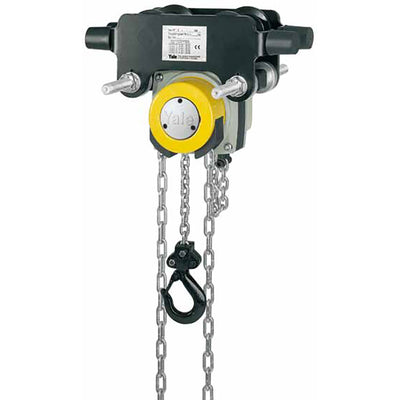
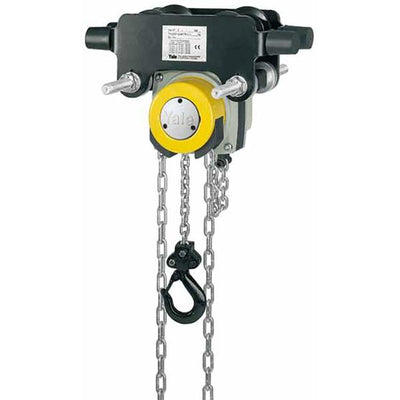
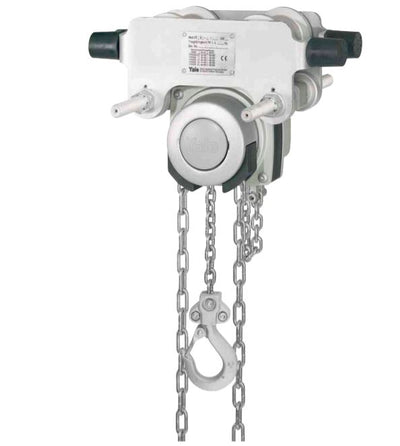
![Polipasto con trole Yalelift 360 ITG [ATEX] 500-20000 KG: Yalelift 360 ITP está integrado con un trole manual. Ideal para aplicaciones con techos bajos y espacio libre limitado. Entrega rápida. S/H internacional. – Ya disponible en MTN Shop EU.](//shopmtn.eu/cdn/shop/products/Yalelift-360-ITP-Integral-Push-Trolley-Hoist-ATEX_76935fb8-d453-4b70-beb4-aa5f5e7da02c.jpg?v=1728317301&width=400)
-
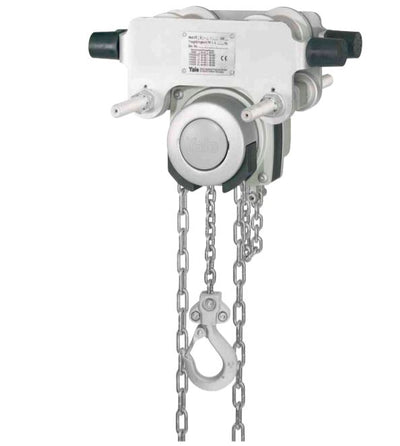
![Polipasto con trole Yalelift 360 ITP [ATEX] 500-2000 KG: Yalelift 360 ITP está integrado con un trole manual. Ideal para aplicaciones con techos bajos y espacio libre limitado. Entrega rápida. S/H internacional. – Ya disponible en MTN Shop EU.](//shopmtn.eu/cdn/shop/products/Yalelift-360-ITP-Integral-Push-Trolley-Hoist-ATEX.jpg?v=1598264422&width=400)
-
-
-
 YaleCarro eléctrico Yale con control directo VTE-U Capacidad/Ancho de brida de viga · 1000kg/58-180mm
 -
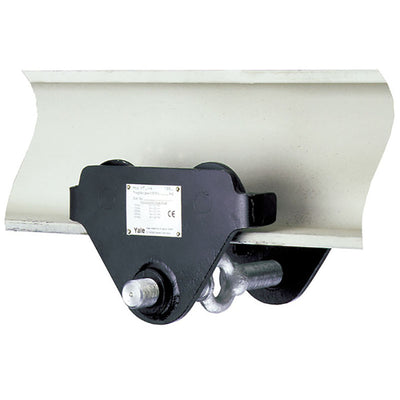
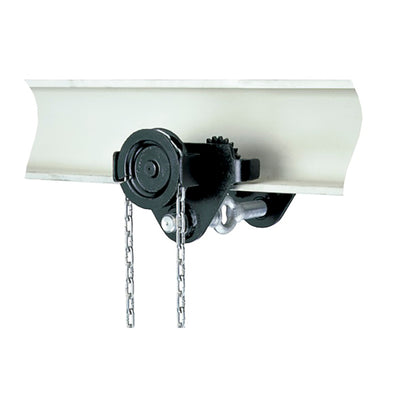 YaleCarro con engranajes Yale HTG 500 - 20000 kg Capacidad/Ancho de brida de viga · 500 kg/50-220 mm
 -


![Polipasto con trole Yalelift 360 ITG [ATEX] 500-20000 KG: Yalelift 360 ITP está integrado con un trole manual. Ideal para aplicaciones con techos bajos y espacio libre limitado. Entrega rápida. S/H internacional. – Ya disponible en MTN Shop EU.](http://shopmtn.eu/cdn/shop/products/Yalelift-360-ITP-Integral-Push-Trolley-Hoist-ATEX_76935fb8-d453-4b70-beb4-aa5f5e7da02c.jpg?v=1728317301&width=400)
![Polipasto con trole Yalelift 360 ITP [ATEX] 500-2000 KG: Yalelift 360 ITP está integrado con un trole manual. Ideal para aplicaciones con techos bajos y espacio libre limitado. Entrega rápida. S/H internacional. – Ya disponible en MTN Shop EU.](http://shopmtn.eu/cdn/shop/products/Yalelift-360-ITP-Integral-Push-Trolley-Hoist-ATEX.jpg?v=1598264422&width=400)

Trolleys at MTN Shop
A trolley is a device that runs along a beam, rail or tube to move a suspended load horizontally. Used together with a hoist, a trolley allows you to traverse and accurately position heavy loads along a fixed track, which is essential in workshops, warehouses, factories and entertainment venues. Choosing the right trolley depends on the beam profile, the load weight and how the trolley will be moved.
Types of trolley
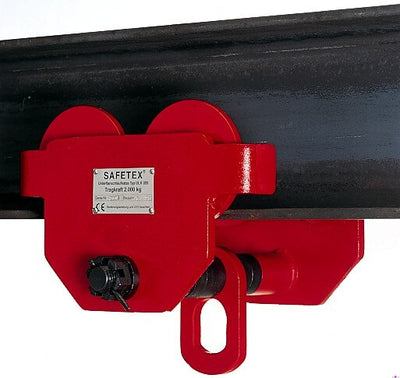
- Push trolleys are moved by hand, with the operator pushing or pulling the load along the beam. They are ideal for lighter loads and shorter distances.
- Geared trolleys use a hand chain and gearing to traverse heavier loads with greater control, suited to higher capacities and precise positioning.
- Manual lift trolleys combine a wheeled chassis with a hydraulic foot pump to lift and transport goods at ground level in workshops and warehousing.
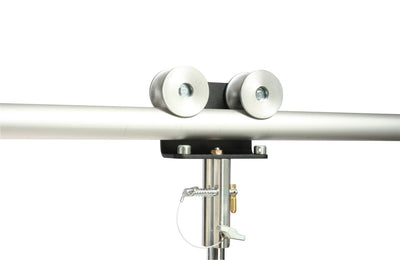
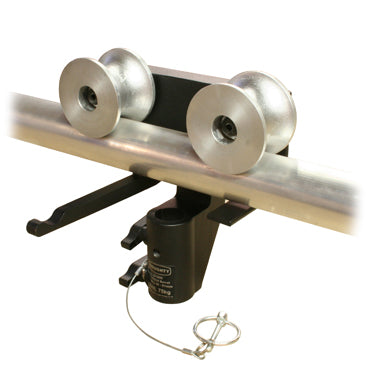
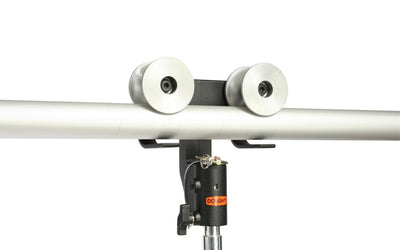
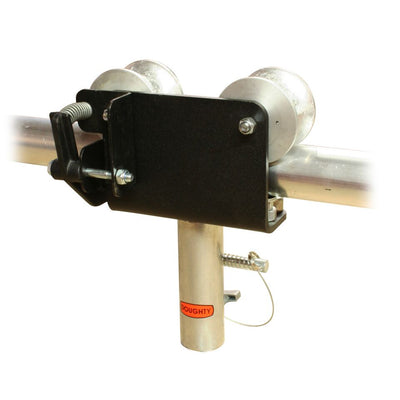
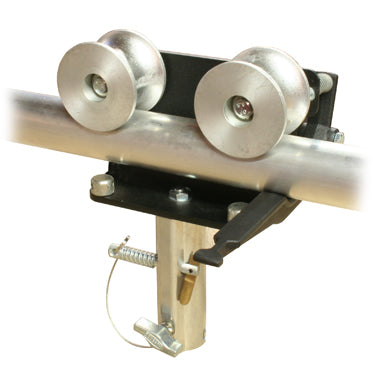
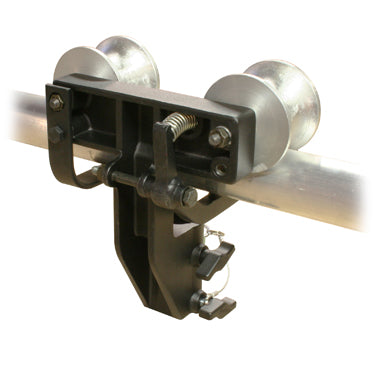
- Barrel trolleys are lightweight units that roll along tubes or bars, commonly used to suspend pantographs and lighting from pipe grids in the entertainment sector.
Matching a trolley to your beam
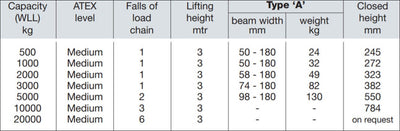
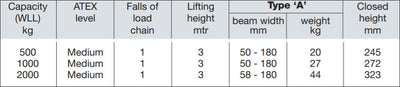
Beam trolleys are designed to fit a range of beam widths and profiles, and many are adjustable to suit different flange sizes. Always check the safe working load, the beam flange width and the maximum permitted beam incline before use. For attaching equipment to a beam, see our beam clamps.
Build a complete lifting setup
A trolley is most often used with a hoist to form a complete traversing lifting system. Browse our industrial hoists and winches to add lifting power, and explore rigging hardware for connecting components.
All trolleys at MTN Shop are sourced from trusted lifting and rigging manufacturers. Request a quote for bulk orders or to source a specific model.