Arneses de seguridad
Disponemos de varios tamaños de arneses para el cuerpo, incluso opciones de arneses de seguridad XXL para actividades como detención de caídas, restricción de caídas, posicionamiento de trabajo, rescate, etc. Compre nuestro PPE profesional y asequible ahora.
¿Cuándo es necesario utilizar un arnés de seguridad?
OSHA establece que la protección contra caídas debe proporcionarse en elevaciones de 4'/1,22 m en lugares de trabajo de la industria general y de 6'/1,83 m en la industria de la construcción. Con diferentes números de puntos de sujeción del arnés, nuestra gama cubre muchos usos, incluidos el recreativo, el entretenimiento* y el industrial.
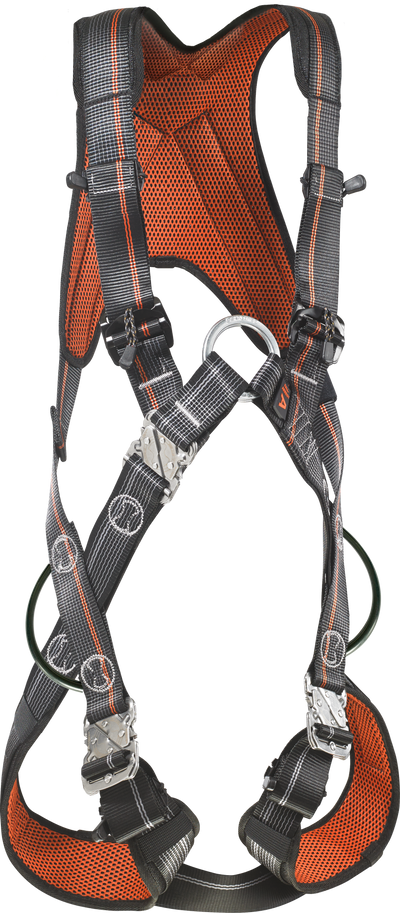
• Arnés de detención de caídas: En un sistema personal de detención de caídas, este dispositivo corporal se utiliza para detener a un usuario en una caída desde una superficie de trabajo para caminar, junto con un anclaje y un conector, por ejemplo, una cuerda doble con amortiguador, antes de golpear el suelo. Un arnés de detención de caídas asegura al usuario de manera que distribuya las fuerzas de detención de caídas al menos sobre los muslos, la pelvis, la cintura, el pecho y los hombros. El anillo en D dorsal de un arnés es el principal punto de fijación para detención de caídas.
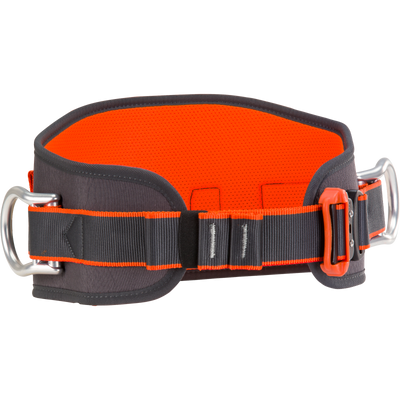
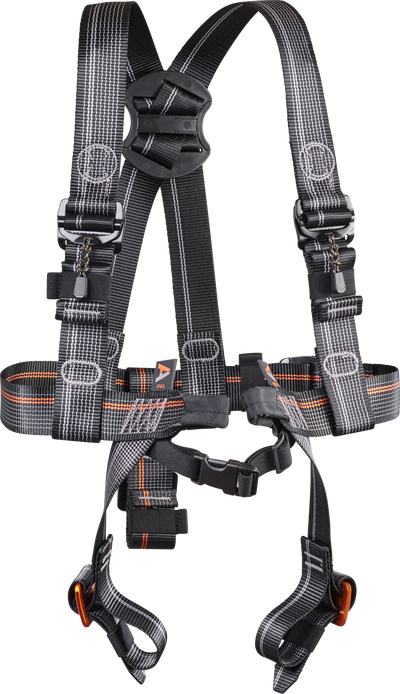
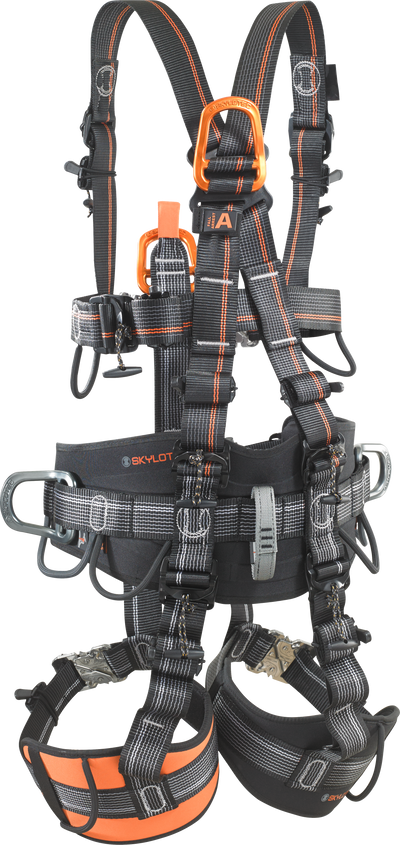
• Arnés de posicionamiento en el trabajo: En un sistema de posicionamiento en el trabajo, una cuerda de posicionamiento conecta los anillos en D laterales de un arnés a un anclaje para asegurar al usuario en su lugar mientras realiza tareas delicadas con las dos manos.
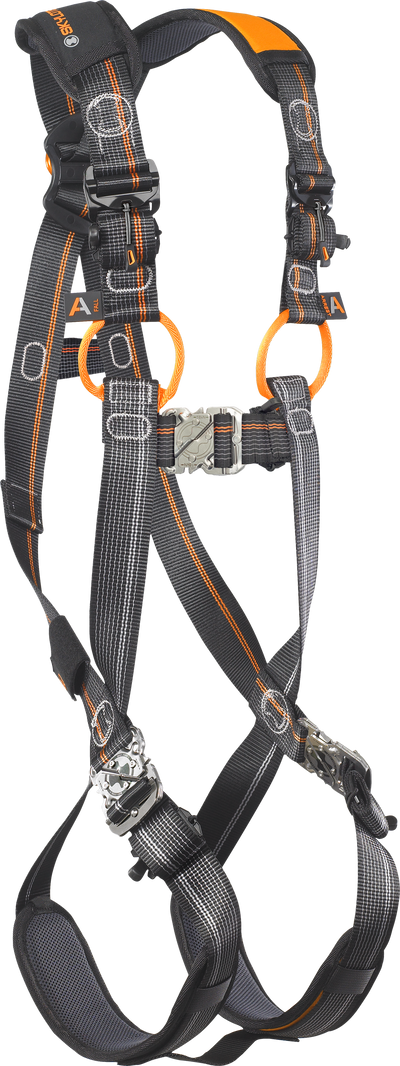
• Arnés de retención de caídas: En un sistema de retención de caídas, los trabajadores no pueden alcanzar un peligro de caída. Un arnés está conectado con un cordón de retención de caídas, impidiendo que el trabajador alcance el borde de ataque. Se puede utilizar un anillo en D dorsal o esternal para sujetar el cordón.
¿Cuánto dura un arnés de seguridad?
5 años según ANSI/ASSE A10.32 antes de 2012. Aunque esta información se eliminó después de la revisión, la industria aún la sigue como regla general. La vida útil depende en gran medida de la producción, el mantenimiento y el cuidado. Una buena regla general es realizar una inspección adecuada y periódica del arnés de seguridad. Echa un vistazo a nuestro guía completa para más información.
¿Cómo utilizar su arnés y cordón de seguridad?
- Use su dispositivo corporal deslizándolo sobre sus hombros y abrochando las hebillas de las correas para asegurarse de que no quede flojo.
- Conecte una cuerda de seguridad adecuada a su arnés [p. ej. Si es para detener una caída, la elección correcta es un arnés de seguridad de cuerpo entero + cordón doble con amortiguador].
- Asegúrese de que la cuerda de seguridad esté asegurada a los puntos de sujeción correctos del arnés (o llamado anillo en D) y al anclaje certificado antes de comenzar su tarea de trabajo en altura.

80 productos











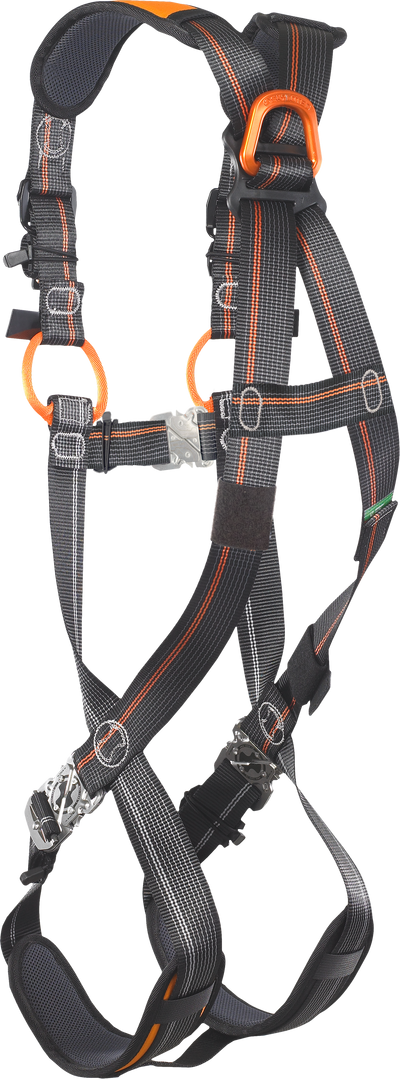
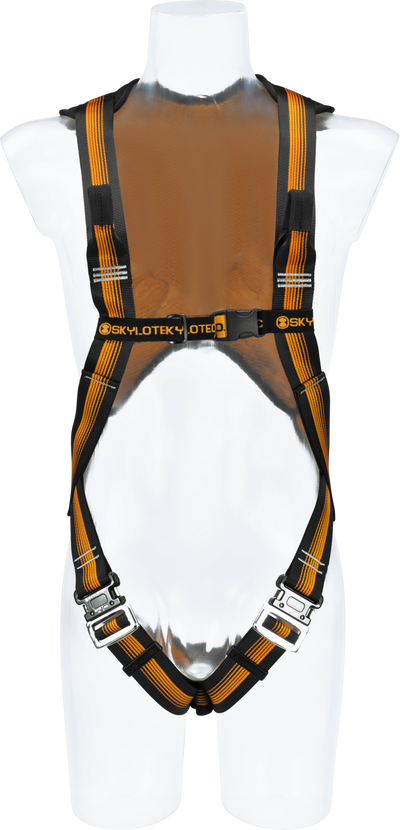
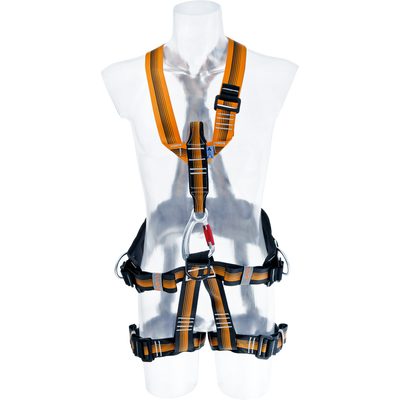
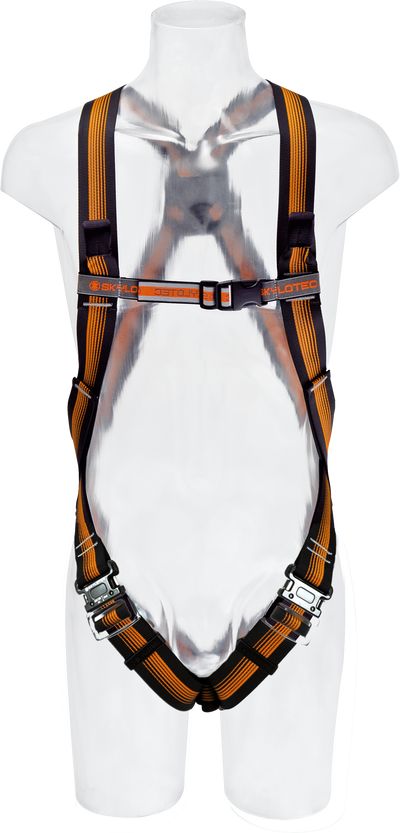
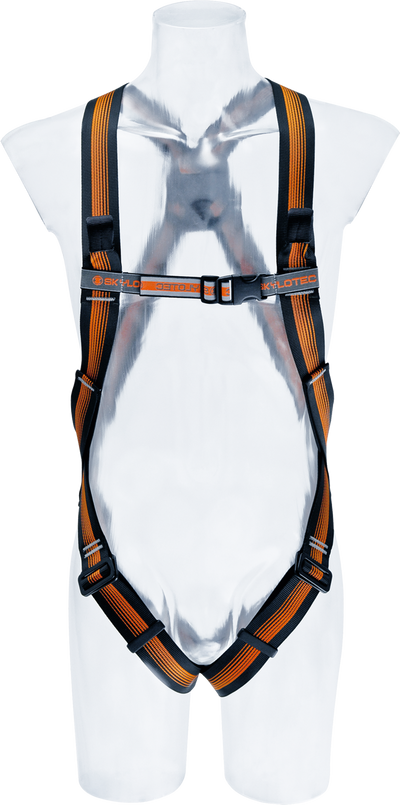
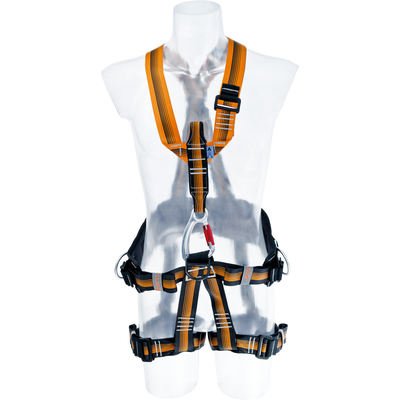


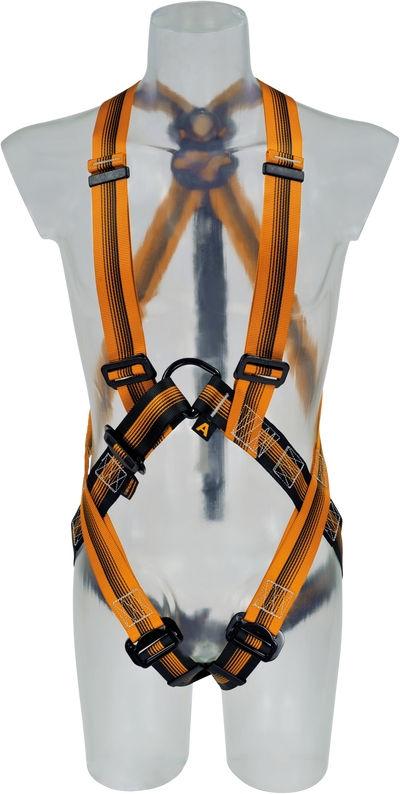



When do you need to wear a safety harness
OSHA requires fall protection at elevations of 4ft (1.22m) in general industry workplaces and 6ft (1.83m) in construction. Our range covers recreational, entertainment and industrial use, with harnesses built around three main functions:
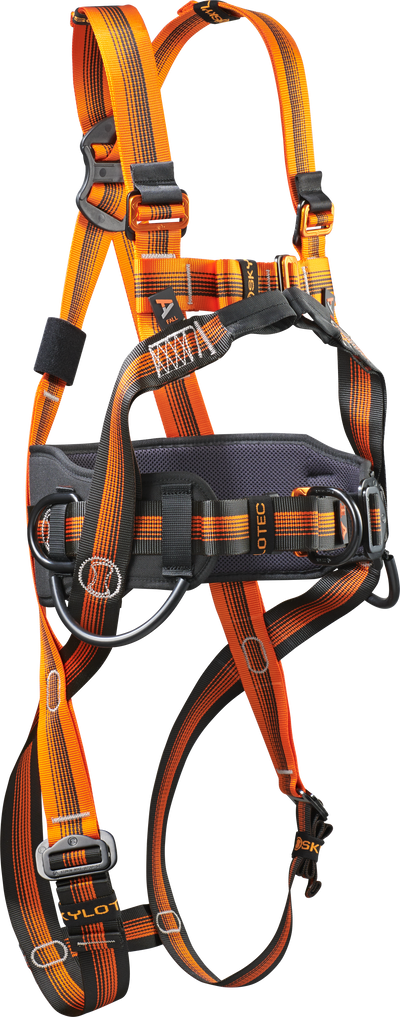
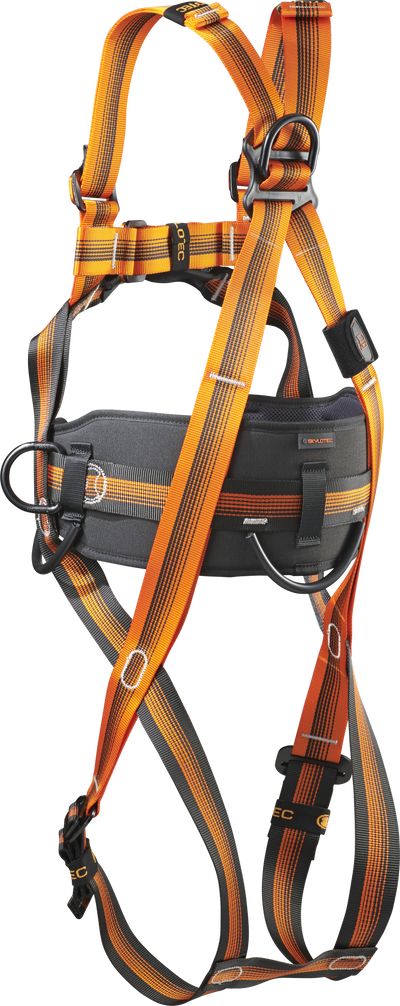
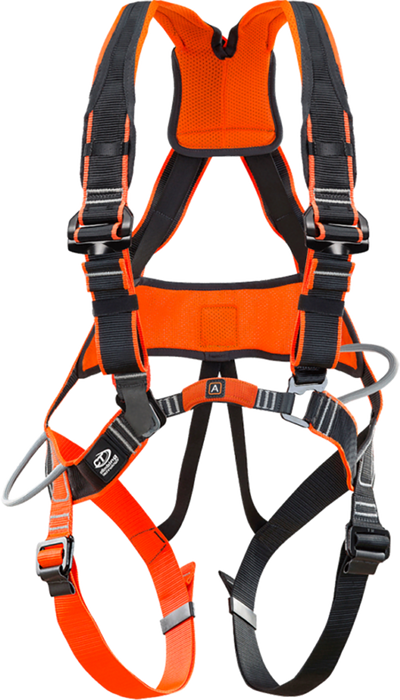
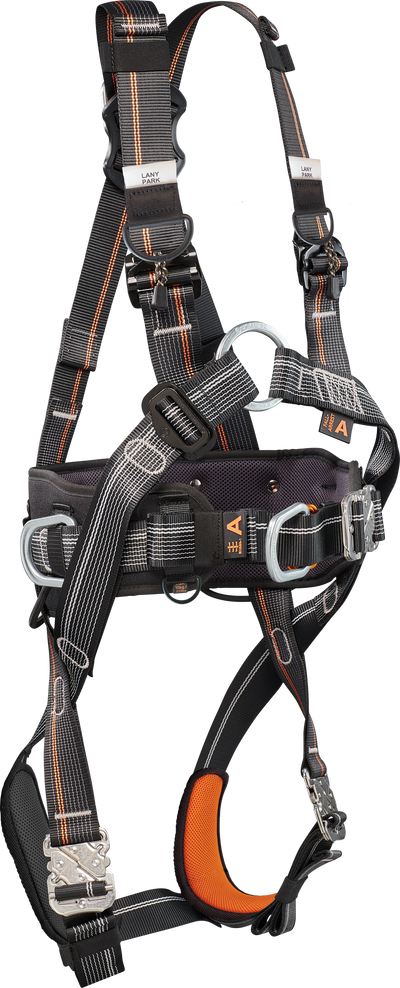
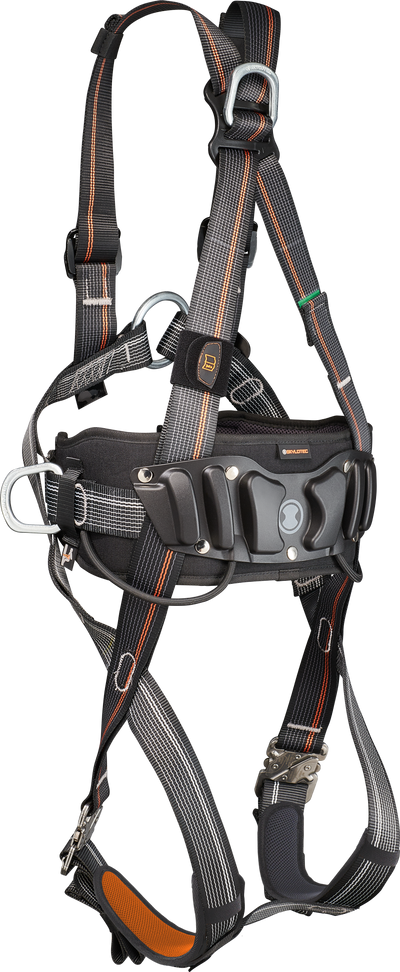
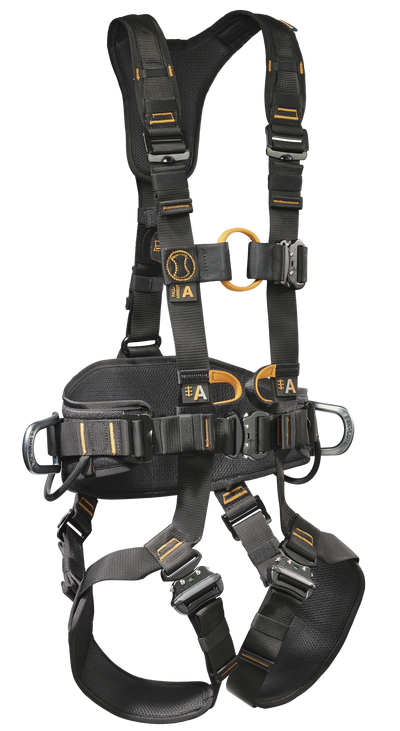
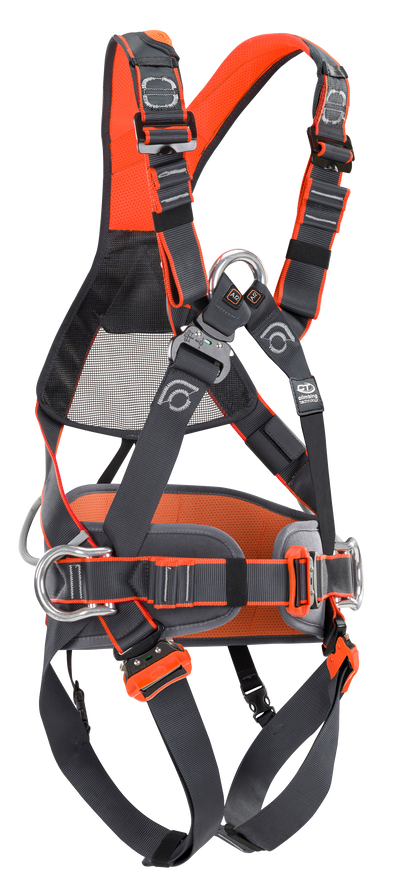
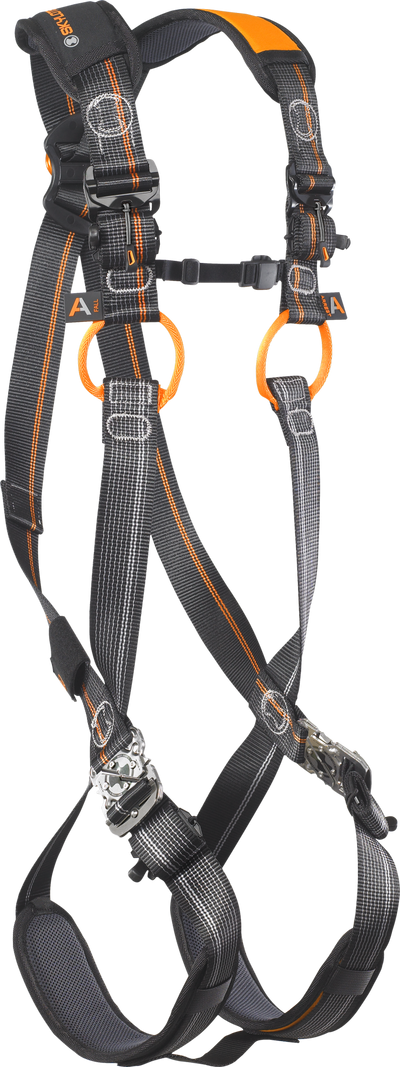
Fall arrest harness: in a personal fall arrest system, this body device arrests a user in a fall from a walking or working surface, used together with an anchorage and a connector such as a double lanyard with a shock absorber. A fall arrest harness distributes the fall arrest forces across the thighs, pelvis, waist, chest and shoulders, with the dorsal D-ring as the primary attachment point.
Work positioning harness: a positioning lanyard connects the side D-rings of a harness to an anchor, holding the user in place so they can perform tasks with both hands free.
Fall restraint harness: the worker is restrained from reaching a fall hazard at all, using a fall restraint lanyard that prevents them reaching the leading edge. A dorsal or sternal D-ring is used for lanyard attachment.
Parts of a safety harness
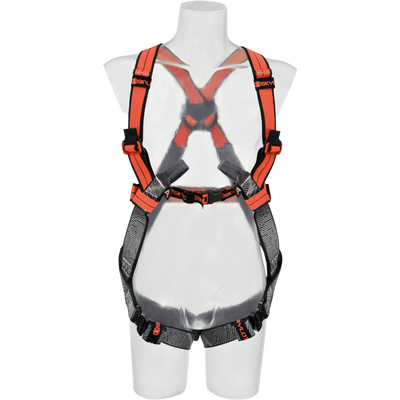
A full body harness is built from several key components: the dorsal D-ring (primary fall arrest attachment point), sternal D-ring (rescue and fall arrest), side D-rings (work positioning), shoulder straps, chest strap, sub-pelvic strap and leg loops. Knowing each part helps with correct use and inspection, and matters when comparing models like the Petzl AVAO BOD FAST, which adds a sternal attachment for rope access work, against a simpler dorsal-only model.
How long does a safety harness last
The often quoted figure is 5 years, based on ANSI/ASSE A10.32 before its 2012 revision. Although this specific figure was removed after the revision, the industry still follows it as a general rule. Actual lifespan depends heavily on manufacture, use and care, so inspect your harness regularly rather than relying on age alone. See our complete harness and lanyard guide for a full inspection checklist.
How to use your safety harness and lanyard
- Put on the harness by slipping it over your shoulders and fastening the strap buckles, making sure there is no slack.
- Connect a suitable safety lanyard to your harness. For fall arrest, a full body harness with a double lanyard and shock absorber is the right choice.
- Secure the lanyard to the correct attachment point (D-ring) on the harness and to a certified anchor before starting work at height.
Each attachment point has its own function: the rear (dorsal) D-ring is the primary fall arrest point, while the side D-rings are used for work positioning.
Complete your fall protection kit
A harness works as part of a system, not on its own. Pair it with a safety lanyard and carabiners and connectors, and add a safety helmet and rope grabs or ascenders for rope access tasks. Our rescue equipment range covers evacuation kits for teams working at height.
Why buy your harness from MTN Shop
All harnesses sold here are genuine stock from Petzl, Edelrid, Neofeu, Protecta and SKYLOTEC, certified to EN 361 and fully traceable. We ship fast across the EU with straightforward returns on unused stock. For bulk orders, team fit-outs or sourcing a specific size not currently listed, request a quote and our team will confirm stock and lead time directly.